Development replaces pond-capable ground with roofs and parking lots, so stormwater runoff leaves the site faster and in far greater volume than the pre-development watershed ever discharged. Managing that runoff is what a plan reviewer score, and in most jurisdictions they reject the post-development hydrograph because during severe weather it drives downstream flooding and erosion, overloads the storm drain and sewer systems, and pushes sediment into surface waters. On land-constrained sites where land availability rules out a surface retention basin, that rejection is where an underground approach start.
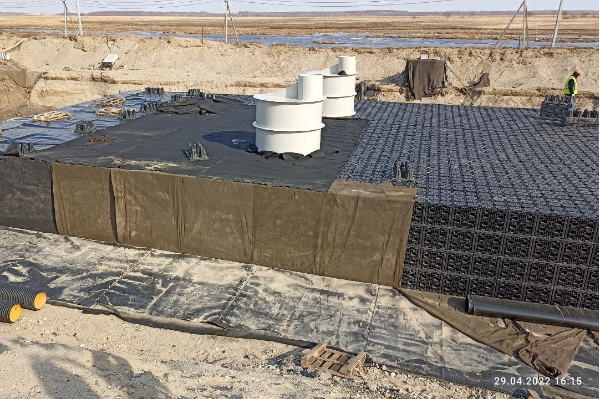
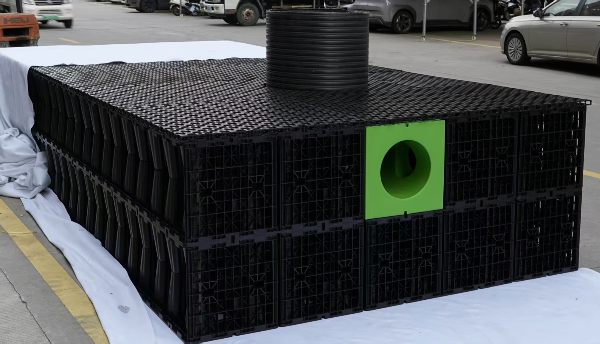
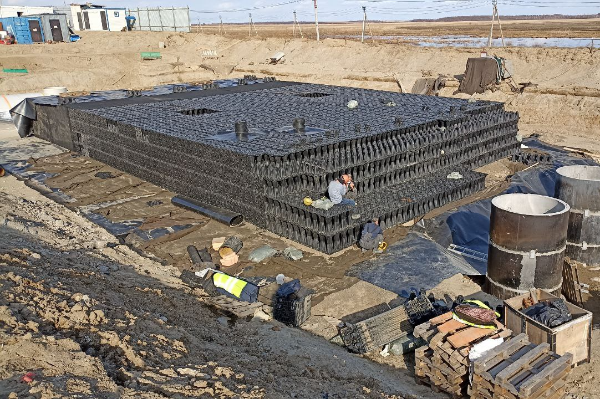
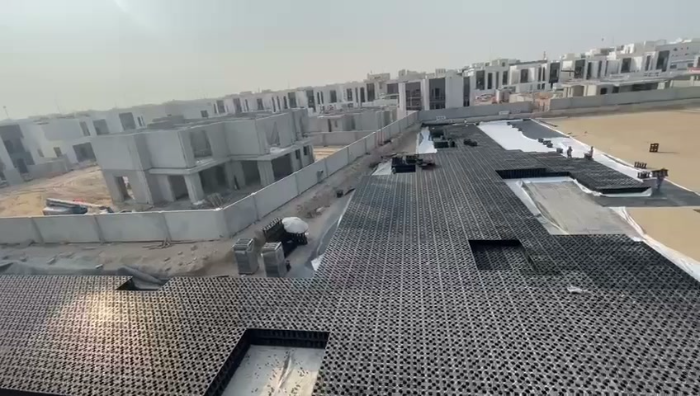
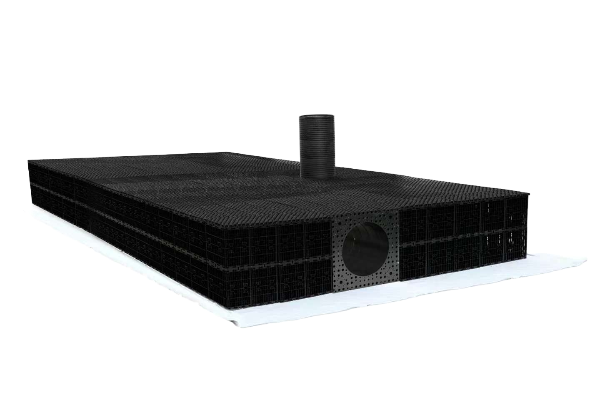
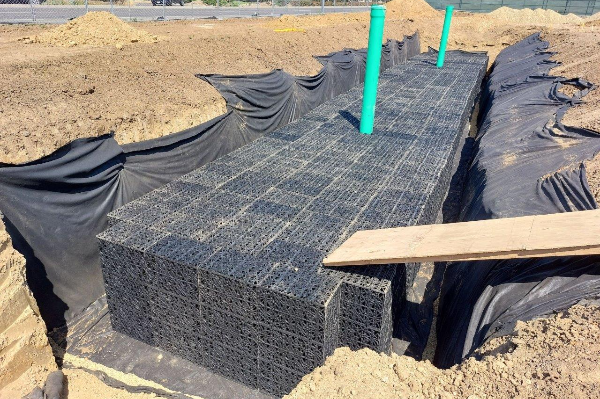
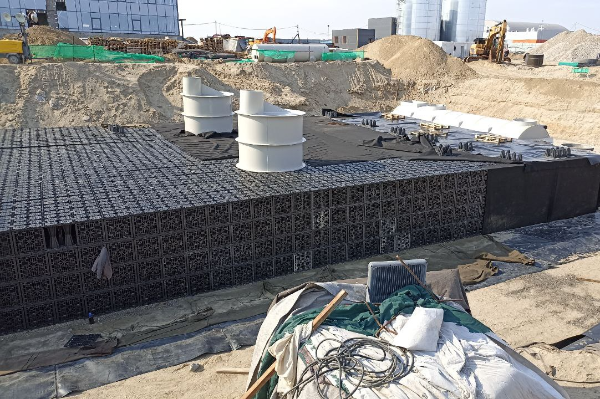
Underground detention answers that rejection by storing the peak below grade and metering it out through an outlet control at the pre-development rate. Unlike an above-ground detention pond, a subsurface storage system frees the paved area above it and keeps that space for parking or landscape, the whole reason engineers choose underground stormwater detention solutions and move the storage into underground structures on land-constrained sites where space is limited.