Geocellular Rainwater Storage Vs Conventional Underground Tanks
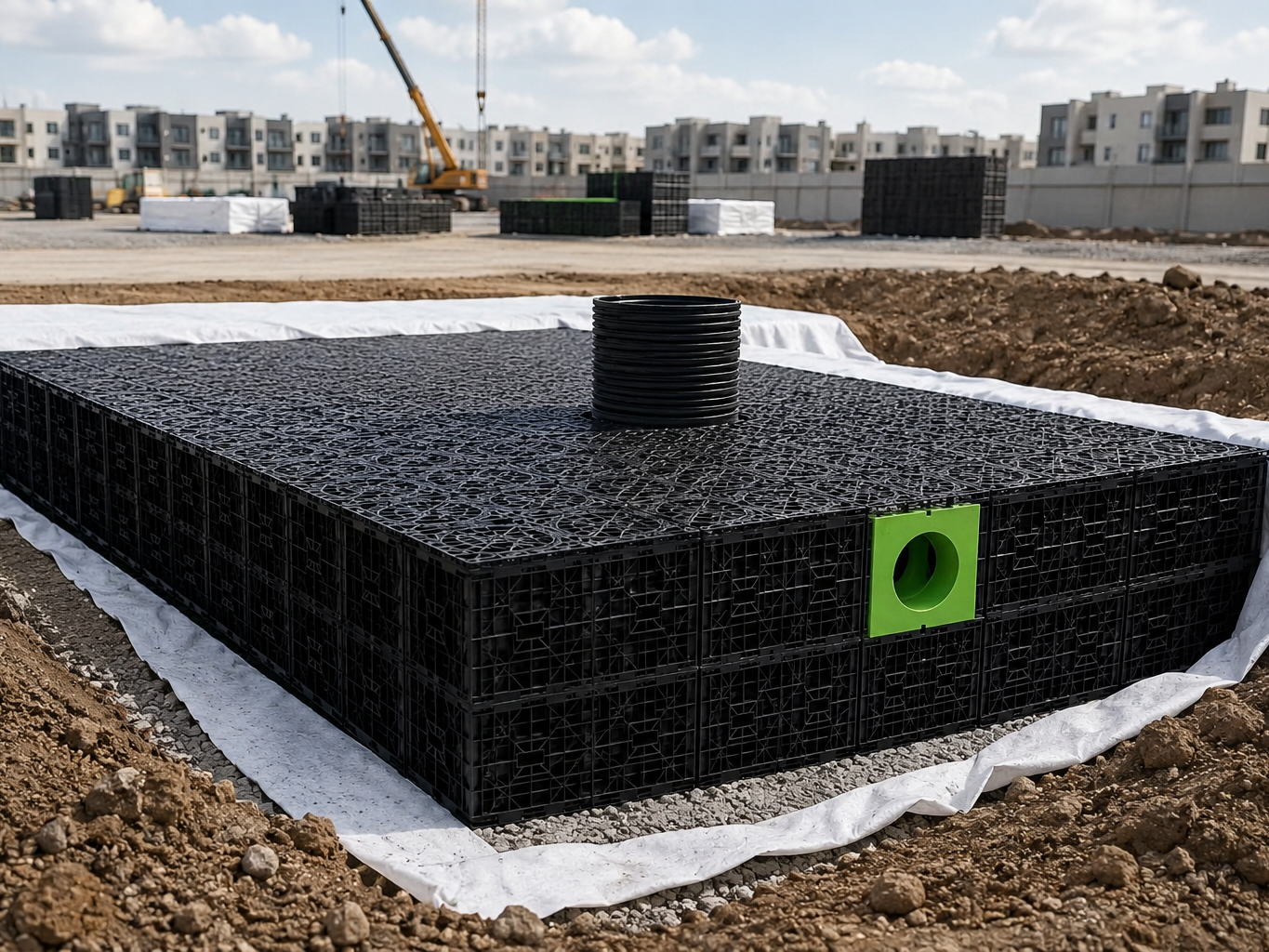
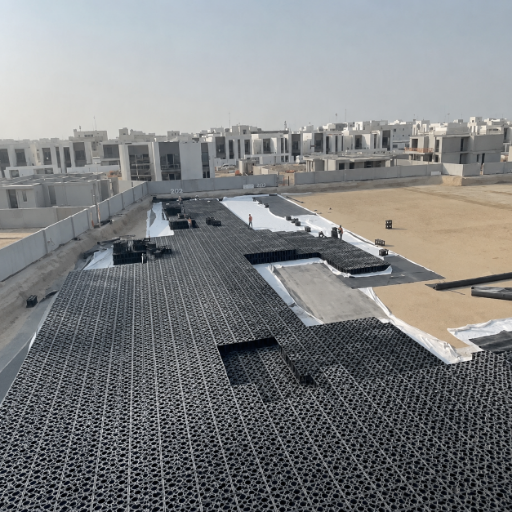
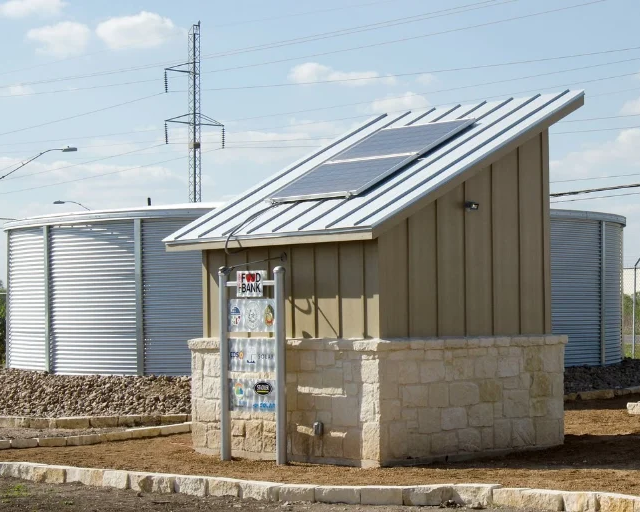
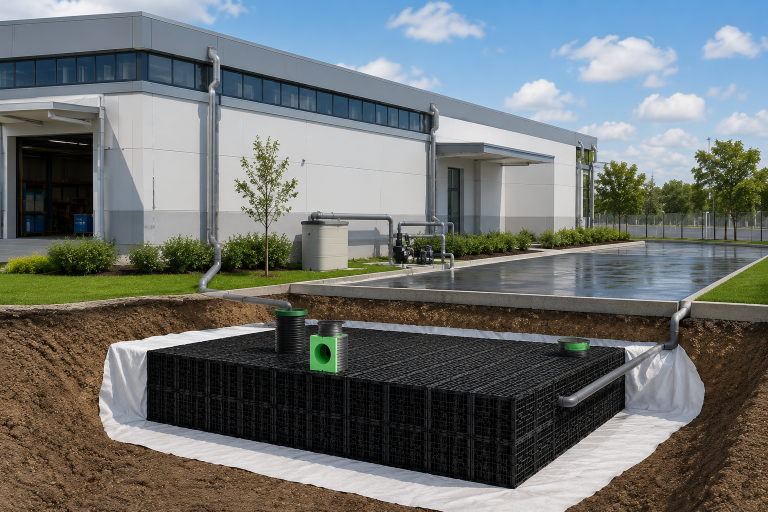
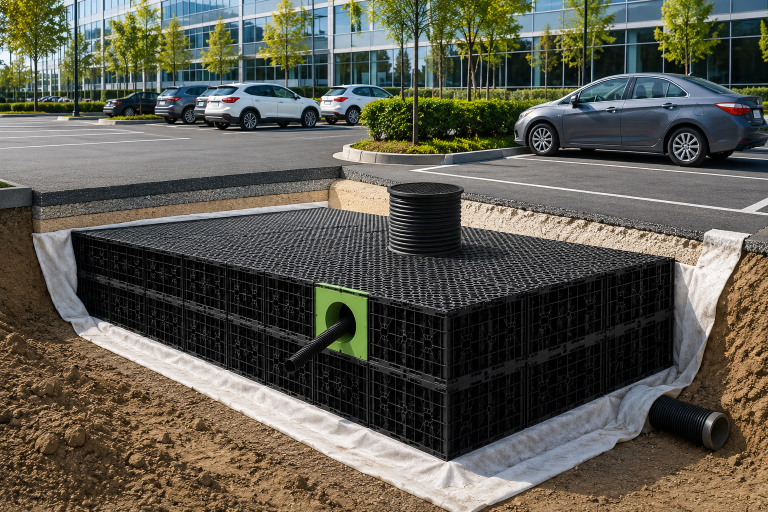
When you have a small, stocked, free-standing rainwater harvesting job, a conventional tank may be the cleanest option. Geocellular rainwater storage is stronger when the buyer must create underground volume around site limits, civil drainage details, and export packing.
Footprint
Module layout can be adjusted to available plan area and excavation depth.
Tank shell size is fixed once model and capacity are chosen.
Storage efficiency
Authority guidance cites high void-ratio geocellular units, with Susdrain listing up to 96% void ratio.
Usable volume depends on stocked tank geometry, connection height, and dead volume.
Maintenance access
Access must be planned with inspection ports, pretreatment, and cleaning routes.
Access is simpler on some one-piece tanks, but large systems still need sediment and pump planning.
Export packing
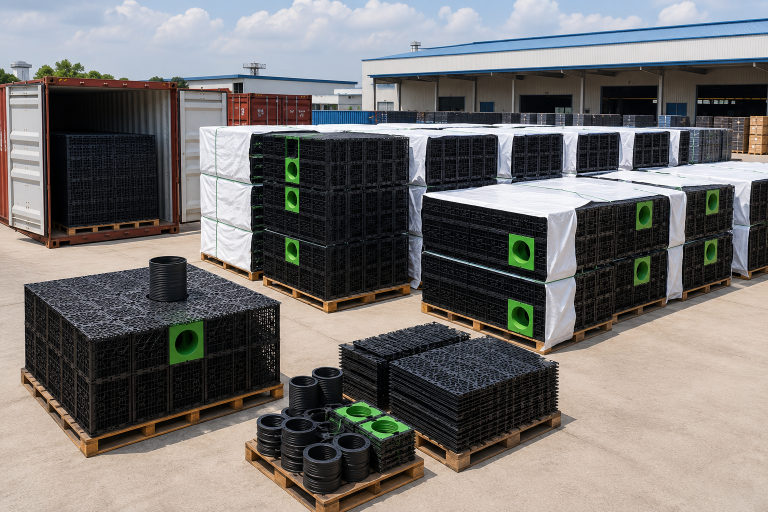
Storm Manage can load up to 330 m3 installed storage volume into a 40HQ with stacking plans.
Large rigid tanks may ship with lower density unless nested tank geometry is available.
Standards context
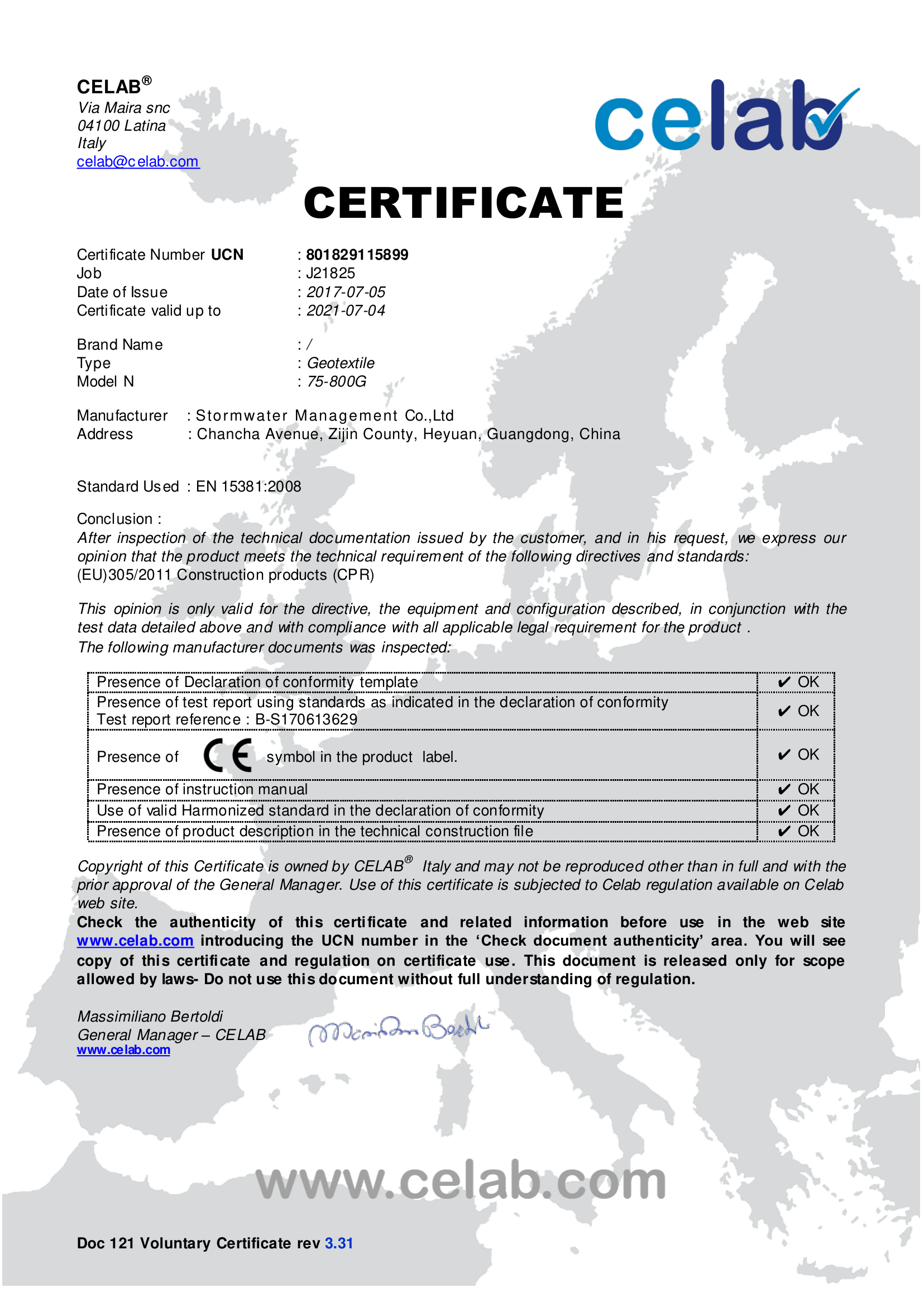
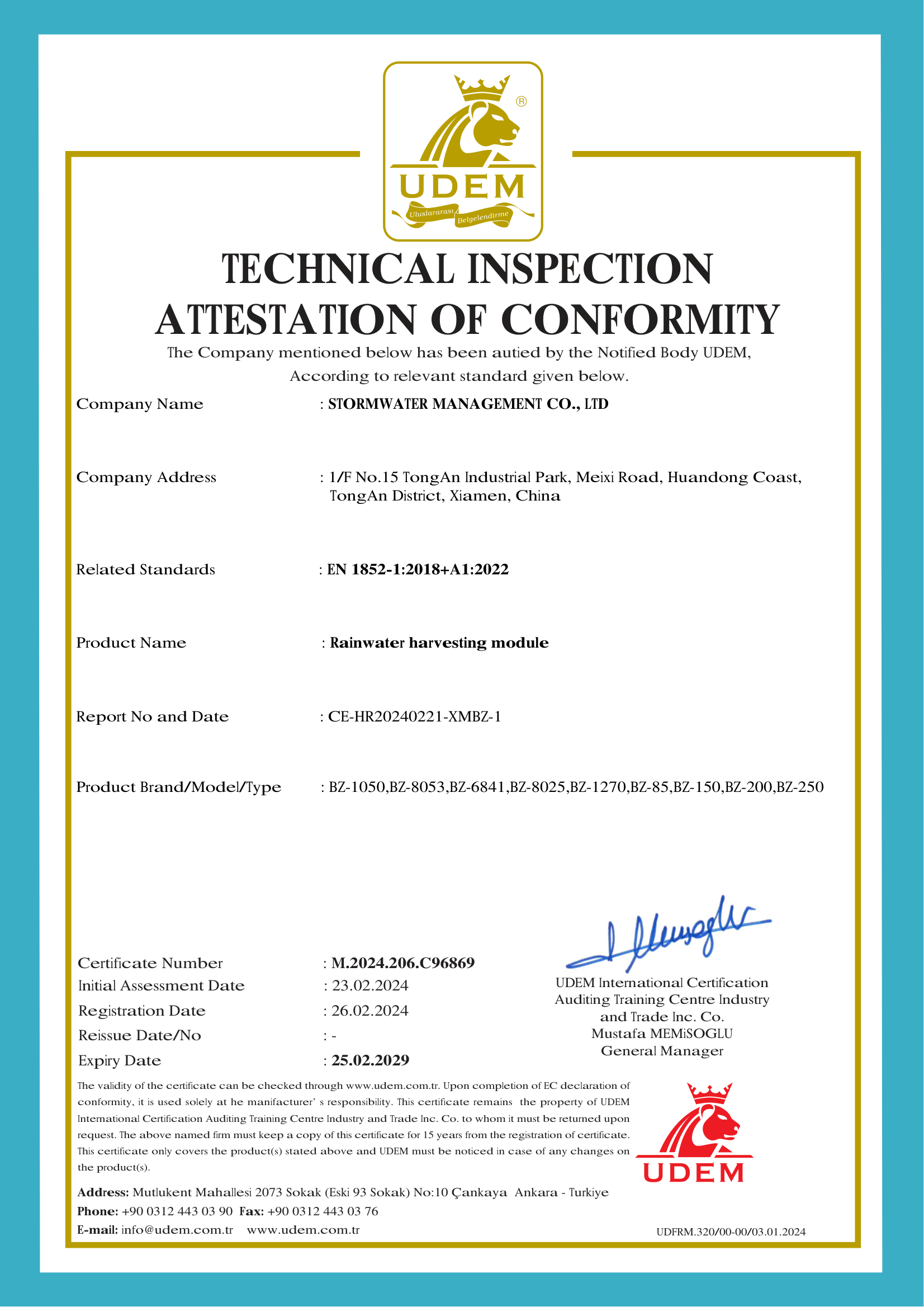
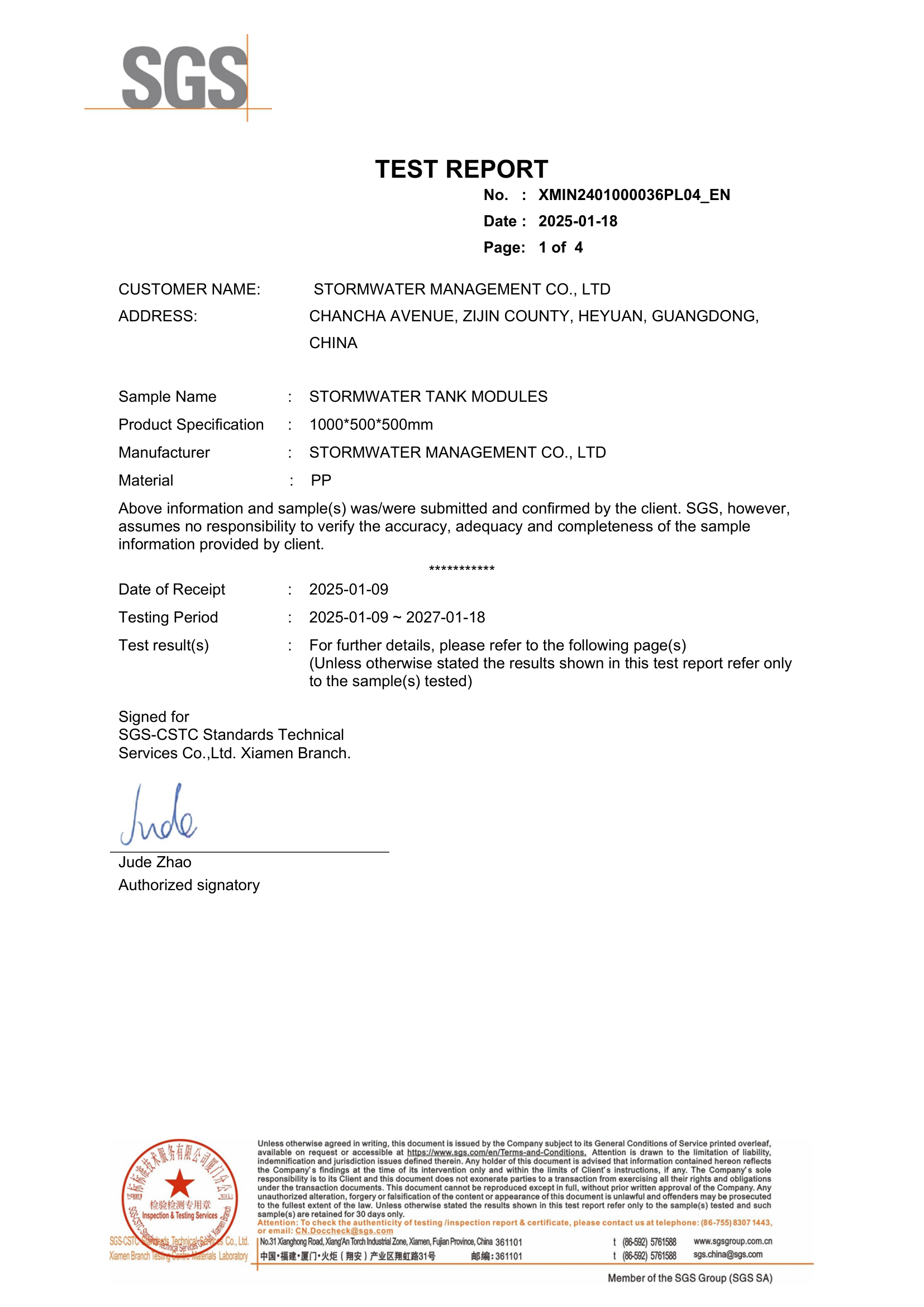
PP/PVC-U stormwater boxes have European standard context under EN 17152-1:2019 for underground non-potable water storage, infiltration, and attenuation.
Tank standards vary by material, market, and end use.
Bronze ROI Card | No unsupported payback claim
Project-fit TCO
The safe commercial claim is not a fixed savings percentage on this page. Buyers compare net volume, civil work cost, access provision, density of shipment, local installation risk and project document maturity.
No direct ROI evidence found on Phase B, this card stays on Bronze.
Where Modular Storage May Not Be The Right First Choice
A fixed tank can be easier when the scope is small, above-ground area is available, and the buyer needs an off-the-shelf drinking-water package. Modular geocellular storage also needs a clean access path; if the project cannot protect inspection points or pretreatment, the quote should pause before hardware is ordered.
- Use the standard tank route for smaller single-building systems with clear access.
- Keep local code and water-quality review with qualified professionals.
- Do not take crate volume as final storage design without inputs on runoff, reuse, overflow and maintenance.