OSD Tank Design & Installation | Storm Manage

Modular OSD tank systems engineered for above-ground and underground on-site detention, backed by design support and container-ready supply from our own injection-moulding plant.

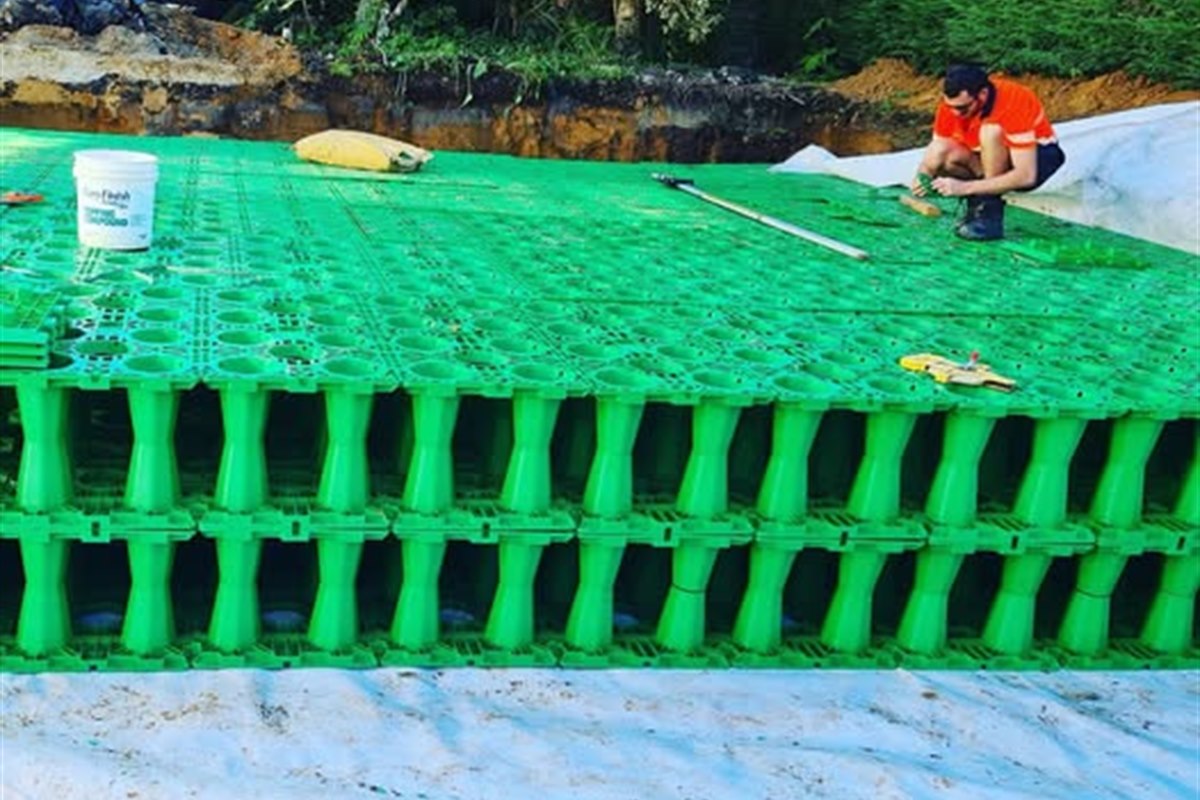
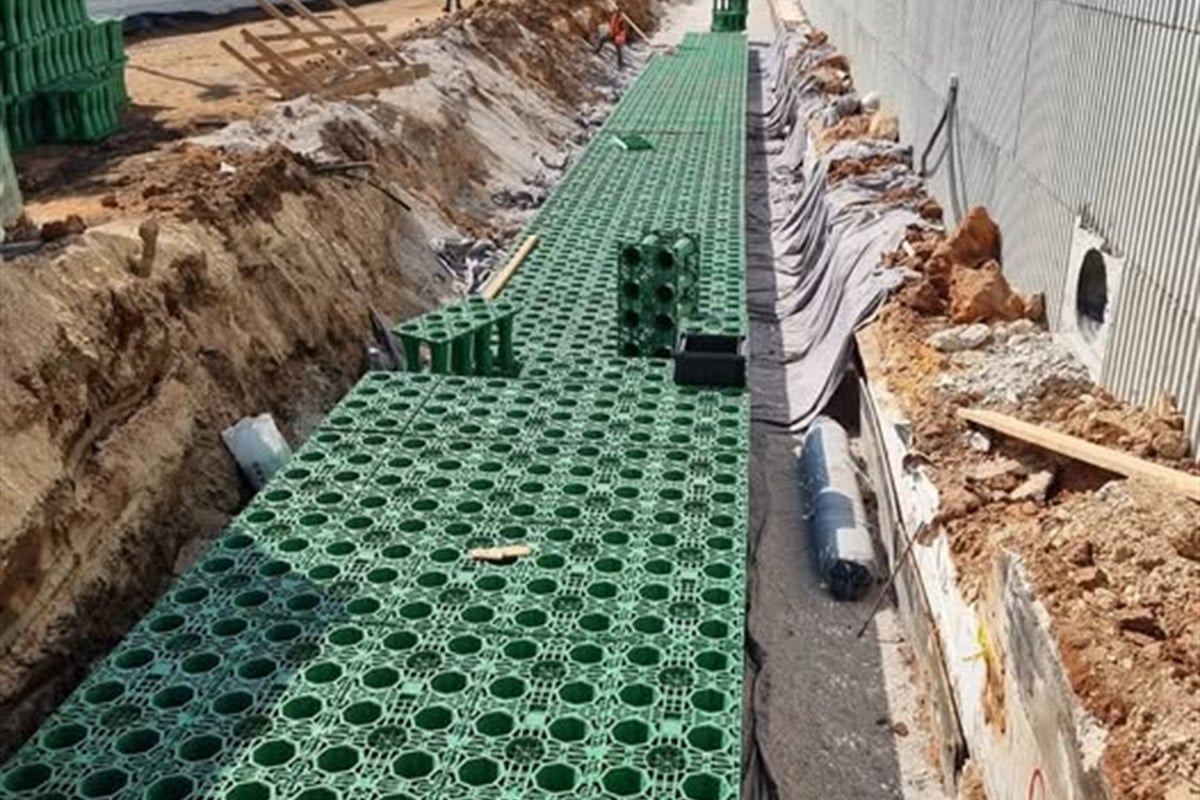
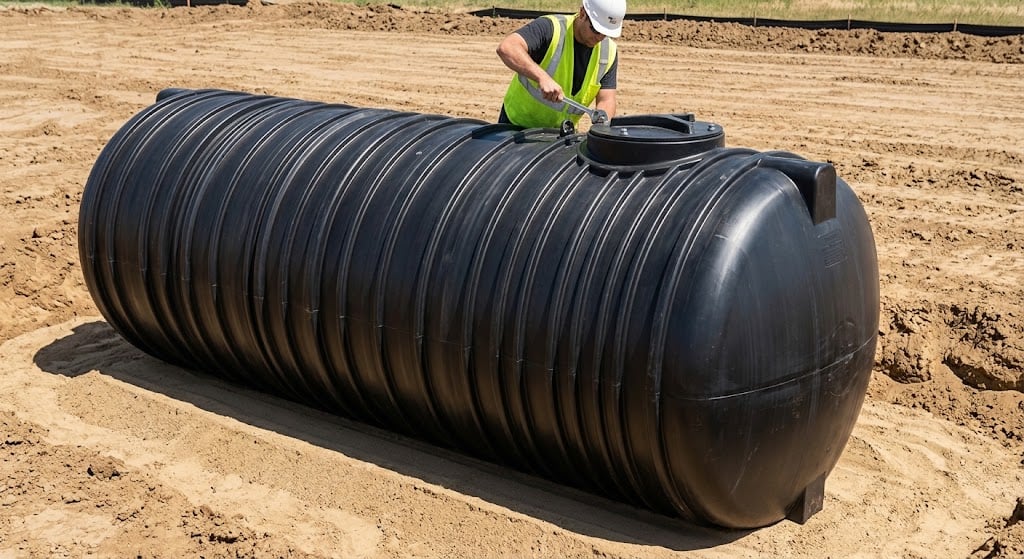
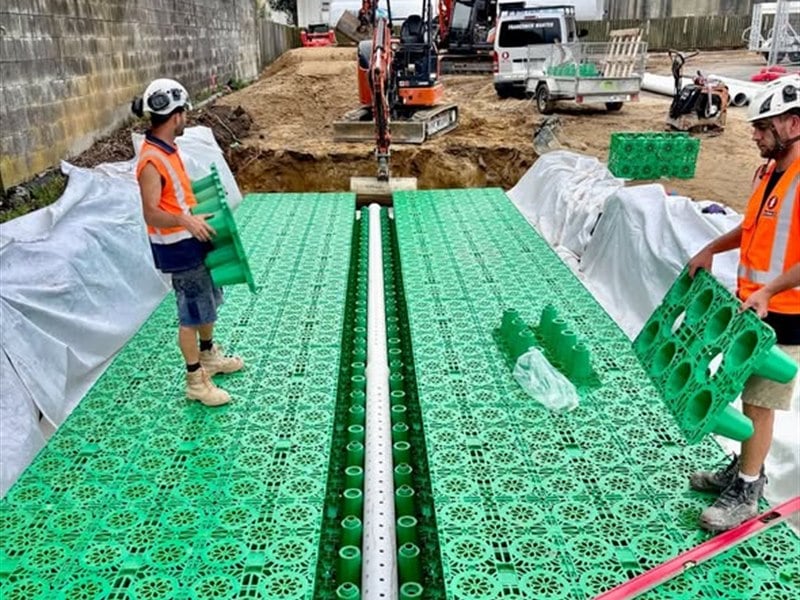
Wide view of modular OSD tank installation ready for backfill A modular OSD tank installation staged for backfill, the same module family supports both above-ground and underground builds.
OSD tank design and installation module system
[DATA-MATRIX] SPECIFICATIONS
  • 330 m³ Max 40HQ container load
  • 3–10 days Standard lead time
  • Since 2013 Injection-moulding production base
  • 200,000 m²+ Factory + mould shop + QA
  • Above & underground Configurations available
  • Virgin / recycled PP Material options

On-Site Detention, Simplified, From Design Brief to Council Sign-Off

OSD tank design starts with a site plan, not a product catalogue. Every project has a different permissible site discharge, a different fall to the street and a different council checklist – the tank comes after those numbers are settled, not before. Detention is one tool in the broader stormwater management toolkit alongside infiltration and reuse, and councils across urban development areas increasingly expect a project to address flood risk to existing drainage infrastructure before approving a development application.

OSD tank design starting on the drawing board considering site fall and council discharge limits
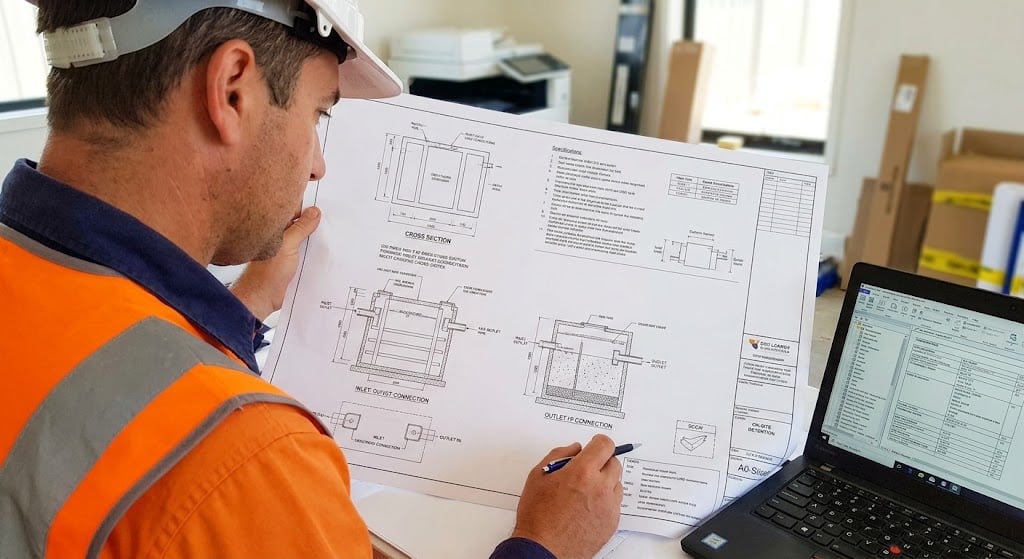
OSD tank design begins on the drawing board, site fall, impervious area and council discharge limits, before any module is ordered.

Storm Manage provides the modular side of that equation: injection-moulded geocellular modules that assemble into above ground or underground on-site detention (OSD) tanks – also called on-site detention tanks or detention tanks in council documentation – sized to whatever storage volume your engineer’s calculation calls for. We manufacture the crates and connectors; your project engineer still owns the hydraulic design and council submission. A catalogue tank size isn’t always the right starting point – the module count should come from your engineer’s number, not the other way around.

Above ground and underground builds from modular assembly OSD tanks

/// SYSTEM SPECIFICATIONS & ADVANTAGES

  • Modular assembly – no poured formwork, no cure time on site
  • Above-ground and underground builds from the same module family
  • Technical drawings and container loading plans supplied prior to commitment of a container
  • Virgin and recycled PP options to suit project budget and specification

Getting the discharge number wrong at concept stage is a recipe for costly delay as it rarely becomes apparent until council review and may add 30 days (or more) to a project quoted against a tight schedule. The sections below walk through how these tanks are sized, what above ground vs underground options look like on site, and the installation process from delivery to backfill.

How an OSD Tank Is Sized, PSD & SSR in Plain Terms

Almost every OSD design discussion is driven by two numbers: Permissible Site Discharge (PSD) – the amount of water your site is allowed to spill downstream – and Site Storage Requirement (SSR) – the amount of storage volume you need to hold back to achieve the discharge in a design storm event. These are calculated by your hydraulic engineer based on your local council’s criteria, using as a basis the Australian Rainfall and Runoff (ARR) guidelines for the design storm event and your council’s specific on-site detention policy for the discharge limit.

OSD storage volume design factors

Factors that drive the storage number

Sydney Water’s on-site detention design guide[1] provides a helpful benchmark as to acceptable storage water-level clearances to habitable floor levels, and all other criteria councils have to follow regarding orifice control of discharge and its associated release rates. We don’t provide worked examples of PSD/SSR calculations on this page, as all site conditions vary, and a generic example may mislead if used by a non-certified consultant to approach a council or certifier.

OSD tank design support and module planning

Where we actually help

Once your engineer has confirmed the storage volume required, Storm Manage engineers translate that number into a module count, footprint and depth – and will frankly tell you if your desired footprint can’t actually contain the volume at your preferred cover depth.

The most common mistake we encounter isn’t a poor calculation – but using the first SSR number as the final one. A few site change usually require the SSR number to be sent back for revision mid-project as late-stage design changes continually shift the parameters that generated it, sometimes over 60 days after the concept was signed off.

  • Impervious area on the developed site (roof, pavement, driveway)
  • The design storm event required by the council to calculate the SSR (usually a 100-year ARI event for OSD design)
  • The orifice or flow control device at the outlet, dictating how fast stored water is released
  • Any reduction for rainwater tank reuse (if permitted by the council)
  • Increasing impervious area in detailed design stage (larger roof footprint, additional hardstand)
  • council design storm event differs to concept design
  • Later stages in a staged development adding catchment to early tank
  • Shift between above-ground and below-ground (or vice versa) alters footprint available

Re-quoting a module count once is far preferable to a project stalling at council review because the storage number changed and nobody updated it accordingly.

[SYS-01] Hydraulic Flow Evaluation

Above-Ground vs Underground OSD Tanks, Which Fits Your Site

Councils generally prefer above-ground on-site detention that can capture 100% of the site area, and accept below-ground tanks where that full capture isn’t possible.[2] Both configurations perform the same function of detaining stormwater runoff to mitigate downstream flooding, so the decision usually comes down to fall and finished floor levels rather than personal preference.

OSD tank design installation header view
Factor Above-Ground OSD Tank Underground OSD Tank
Typical site fit Side/rear yard, landscaping zones Under driveway, car park, turfed area
Discharge path Simple gravity fall to street/easement Requires ≥1000mm cover clearance for site with adequate fall
Traffic loading Not applicable (non-trafficable) Load-class module required if under driveway/car park
Land use impact Occupies visible footprint Surface remains usable
Access for maintenance Direct surface access Access chamber/riser required
+
OSD tank module installation detail
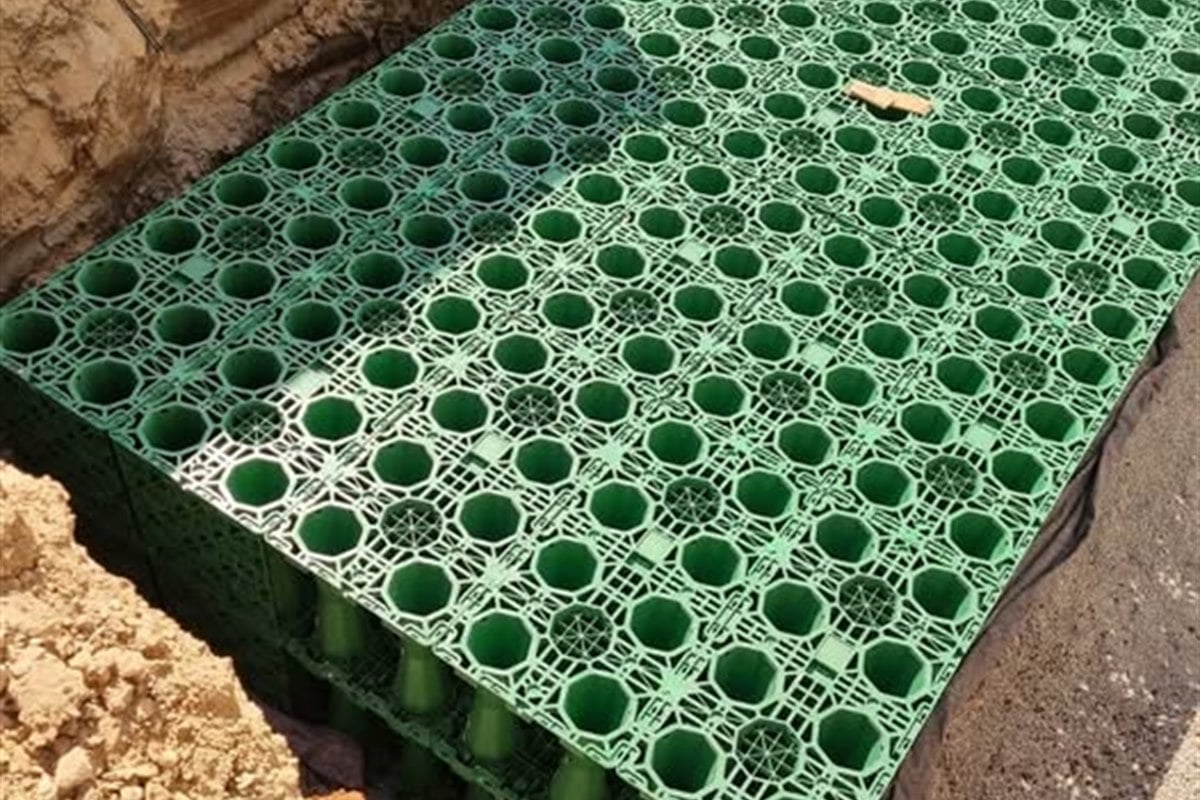
Connector and inlet detail on a standard module, the same fitting geometry is used across above-ground and underground builds.

When designing an underground tank, early decisions need to be made regarding the finished surface material of asphalt, pavers or grass/turf – which affect the access-chamber and riser detailing, and often require adjustments once the module layout is complete.

Hydraulic Feasibility

The most frequent cause of project holdups is that a tank still need to gravity-discharge out to the street or an easement, and if there’s less than approximately 3m fall available, a gravity-discharge design isn’t always feasible without an external pump.[2] The common mistake is to design an underground tank for a site that doesn’t gravity-discharge, a change which can lead to delays of 20 days or more to resolve post documentation lodgement as it changes the hydraulic submission. Storm Manage determines the fall/footprint issue before recommending a design, not after.

Good natural fall, spare side/rear yard space Above-ground modular tank
Full-site coverage required, driveway or car park available Underground modular tank, trafficable load class
Less than ~3m fall across the site Discuss pumped outlet with your engineer before tank selection

Modular Geocellular vs Precast Concrete vs Poly Vessel, Material Comparison

Three main construction material types make up the OSD tank market: our injection-moulded geocellular modules, pre-cast concrete tanks and single-piece poly/steel vessels. Storm Manage’s factory has built years of production experience around one of these three, but we recognise genuine and well-argued benefits in each, and encourage clients to choose the option best suited to their project.

Approach Installation Design life Excavation
Modular geocellular (Storm Manage) Assembled on site, no cure time Around 50 years, industry-cited for PP modules Lower — modules replace void space directly
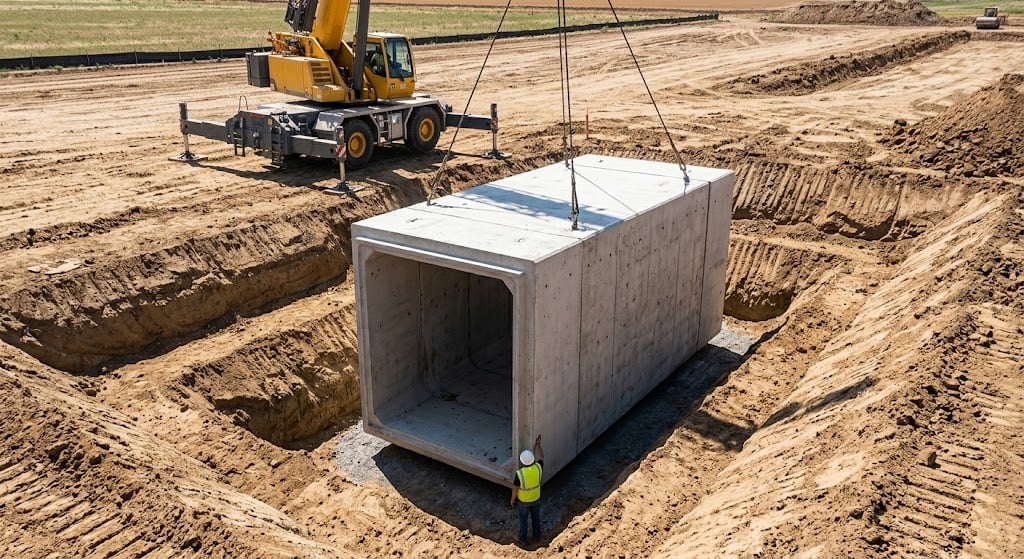
Precast concrete Craned into place, joint sealing required Often cited at 75 to 100 years Higher — single large excavation for the vault
Poly/steel single vessel Lowered whole or in sections Varies by wall thickness and coating Depends on vessel diameter and depth

This framework exists because the industry has learnt the hard way. Several civil engineering bodies have reported actual cases of thermoplastic detention systems installed with no consideration for creep (the gradual decrease in compressive and shear strength under constant loading), settling many months after installation, not immediately.

The answer isn’t to shun modular plastic systems, but to specify them in the correct load class for the actual burial depth and traffic load, in practice meaning a genuine cover depth (600mm under light vehicles, 1000mm under heavy traffic) tested to a long-term standard, not an instantaneous one.

Maintenance access is the only honest compromise worthy of mentioning: precast concrete vault usually comprises a single, large inspection chamber, while modular access is where the design positions any risers – usually fewer access points than on a chamber based concrete tank, but a factor where frequent inspection is expected.

[TRADE-OFF]

To be blunt about the trade-off: pre-cast concrete theoretically has a longer design life than a plastic module system, and if 100 years design life is a firm requirement, that should be discussed transparently with your engineer. Unlike pre-cast concrete, however, a modular system allow for single unit replacement, avoiding the need for complete tank excavation.

Geocellular module structure detail: Module wall thickness and connector geometry are what carry long-term load, not the void ratio figure printed on a spec sheet.

“A geocellular module has to hold its shape under load for decades, not just pass a lab test on day one. Load duration matters as much as peak load, that’s exactly why the current structural design standard for these systems, CIRIA C737, requires long-term compressive testing rather than short-term figures alone. We spec every module family against that framework before it goes anywhere near a container.”

Senior Application Engineer, Storm Manage

How “correct load class” shows up on a quote

  • Cover depth from finished surface to top of module
  • Traffic class above module (pedestrian, light vehicle or heavy vehicle/loading dock)
  • Long term compression under sustained load (not instantaneous crush value)
  • Backfill and compaction specification matched to that load class

Storm Manage certifies each module family in-house to this same standard, against stated cover depth and traffic loading – your engineer is specified against a number, not a claim.

Comparing material options for a specific site? Request Project Consultation

Installation Process, Site Prep to Backfill

Modular construction is the major installation benefit over precast concrete – no formwork or cure times are needed – but the procedure must be followed exactly – missing any single step is the most common failure point for this type of installation.

01.

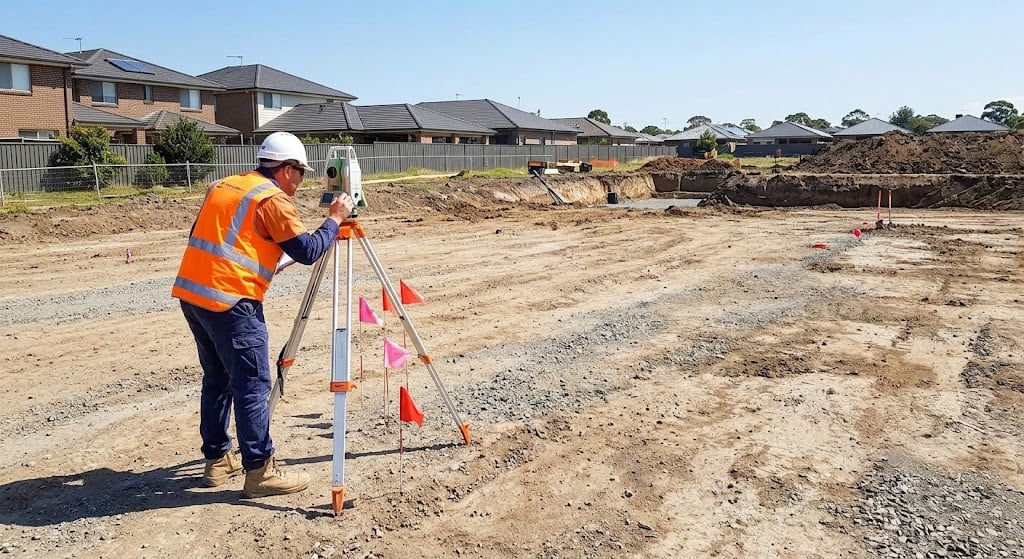
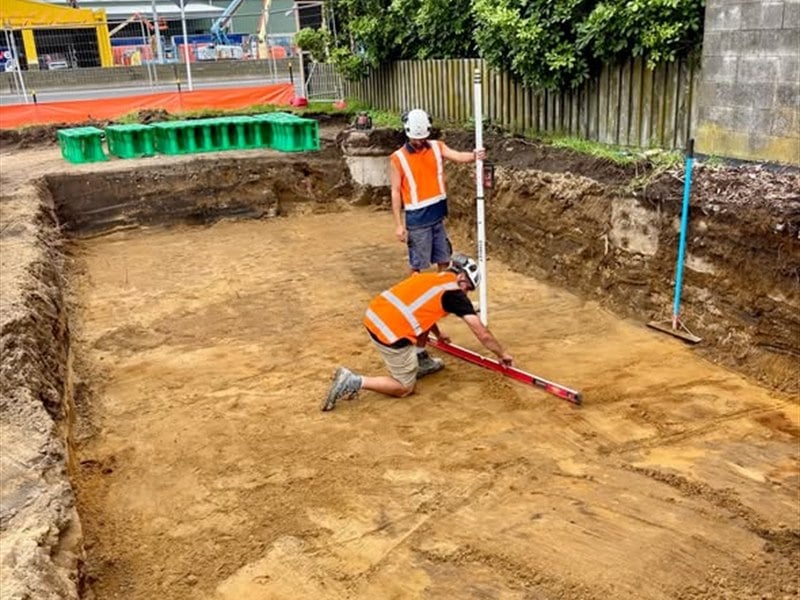
Site survey and excavation to the cover depth and footprint your engineer’s SSR calculation calls for, with allowance for bedding.

02.

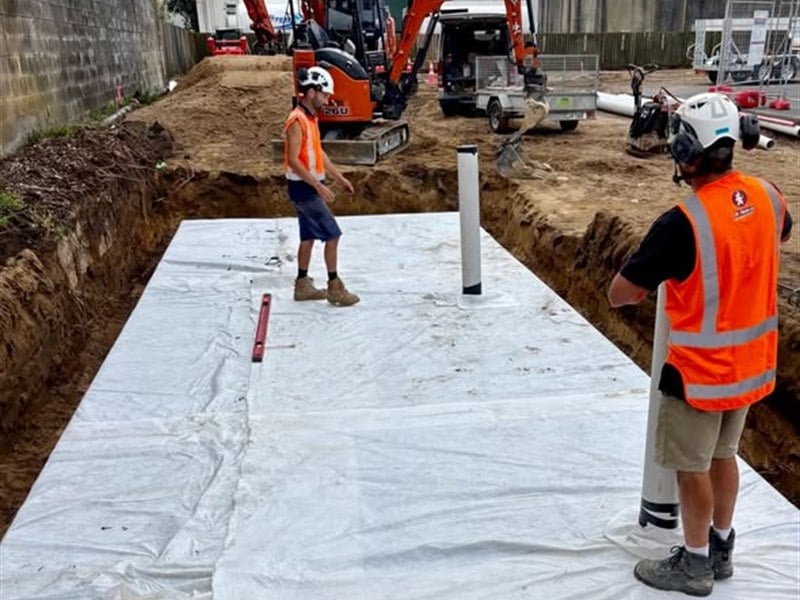
Bedding layer of compacted sand or fine aggregate at specified depth and thickness, laid level prior to module installation.

03.

Geotextile wrap (base and sides) separating the modules from the surrounding soil and preventing fines entering the void space.

04.

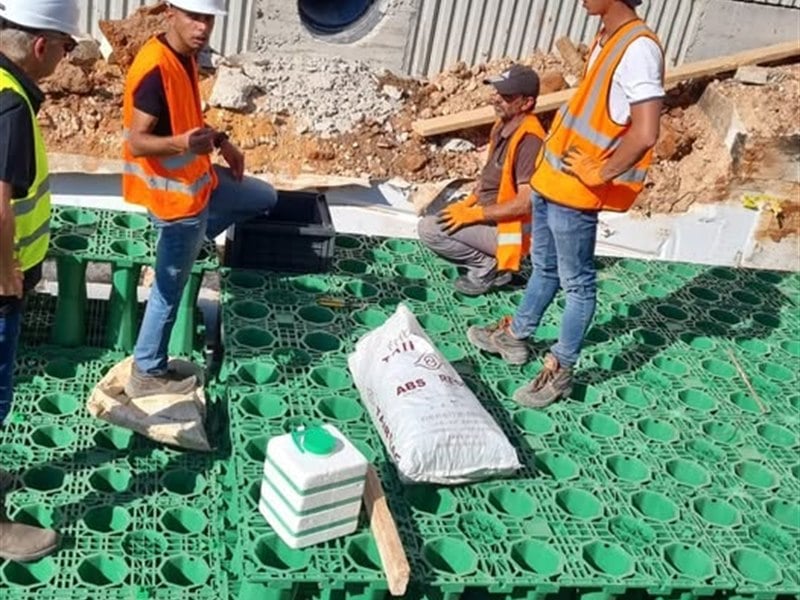
Module assembly connected as shown on the provided layout drawing, building up the cover depth and footprint as agreed at quotation stage.

05.

Inlet/outlet and orifice connection tied into the pipework as per the hydraulic design, with the inclusion of the flow-control device setting the discharge.

06.

Geotextile wrap (top) and geomembrane for a water-tight installation, if specified for the application.

07.

Backfill and compaction placed in 300mm maximum lifts and compacted to the standard required by the module’s load class and specified cover depth.

The step that causes the most expensive failures

The mistake we see more than any other isn’t a bad module, it’s skipping a compaction lift because of schedule pressure. Insufficient cover depth over a detention system doesn’t fail gradually, it fails as a structural event, and the fix means excavating the tank, the pavement on top of it, and every utility crossing over it. One documented case saw a cover-depth error on a commercial car park turn a roughly $90,000 installation into a $180,000 remediation.[5]

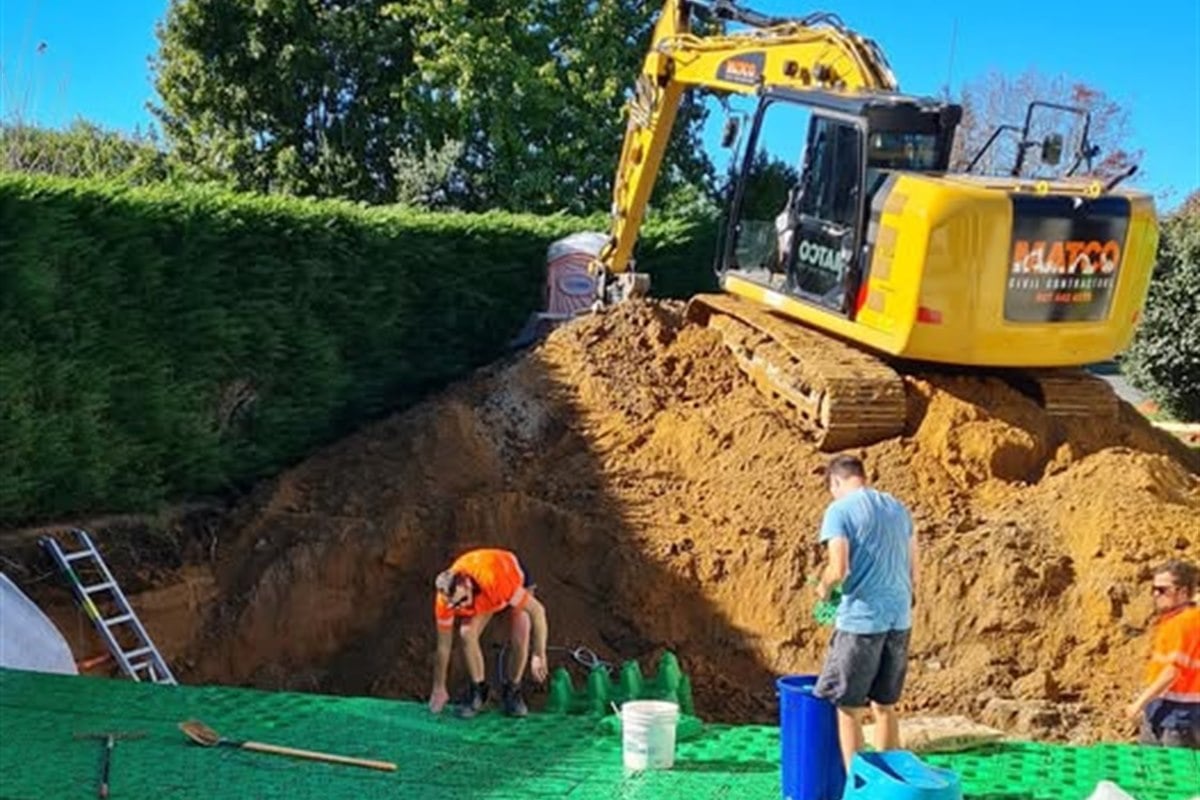
Modules assembled and connected ahead of the geotextile wrap and backfill stage, the sequence, not just the product, determines whether an installation performs.

Every quote include a layout and connection drawing, precisely so that whichever crew installs our module system on-site is following our spacing, not guessing. This sequence is critical, not just for site function, but also beyond the site boundary, since improper installation of stormwater systems is a known environmental contributor of sediment and pollutants into local watercourses.

From Factory to Site, Lead Time, Container Loading & Technical Support

In the buying process for stormwater tank, the biggest waste of money for procurement teams isn’t module price, but comparing cost-per-cubic-metre without installing cost which includes backfill, bedding, excavation and labour.[5] A slightly cheaper module may be more expensive overall than one priced a bit higher but that requires significantly less backfill and shallow excavation.

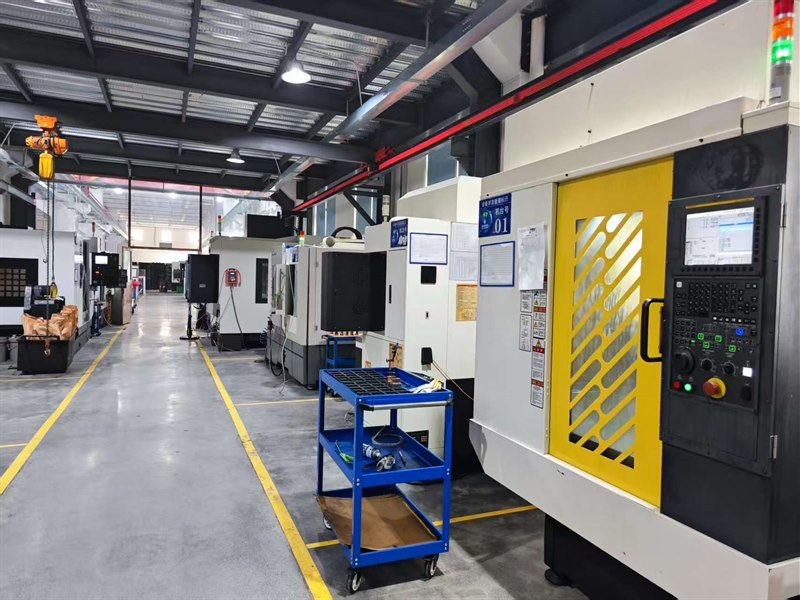
Our manufacturing plant in Shenzhen, near Yantian and Shekou ports, is purposefully located to minimise time spent loading containers for export orders. We provide a container-loading plan prior to any purchase confirmation because, regardless of what your supplier promises, only port proximity guarantees a reduction in shipping delays. Typical lead time for our products is 3–10 days after confirmation of your order; FOB Shenzhen, Yantian or Shekou are standard, though we can facilitate FOB Qingdao or Ningbo by request.

OSD project logistics and design schedule
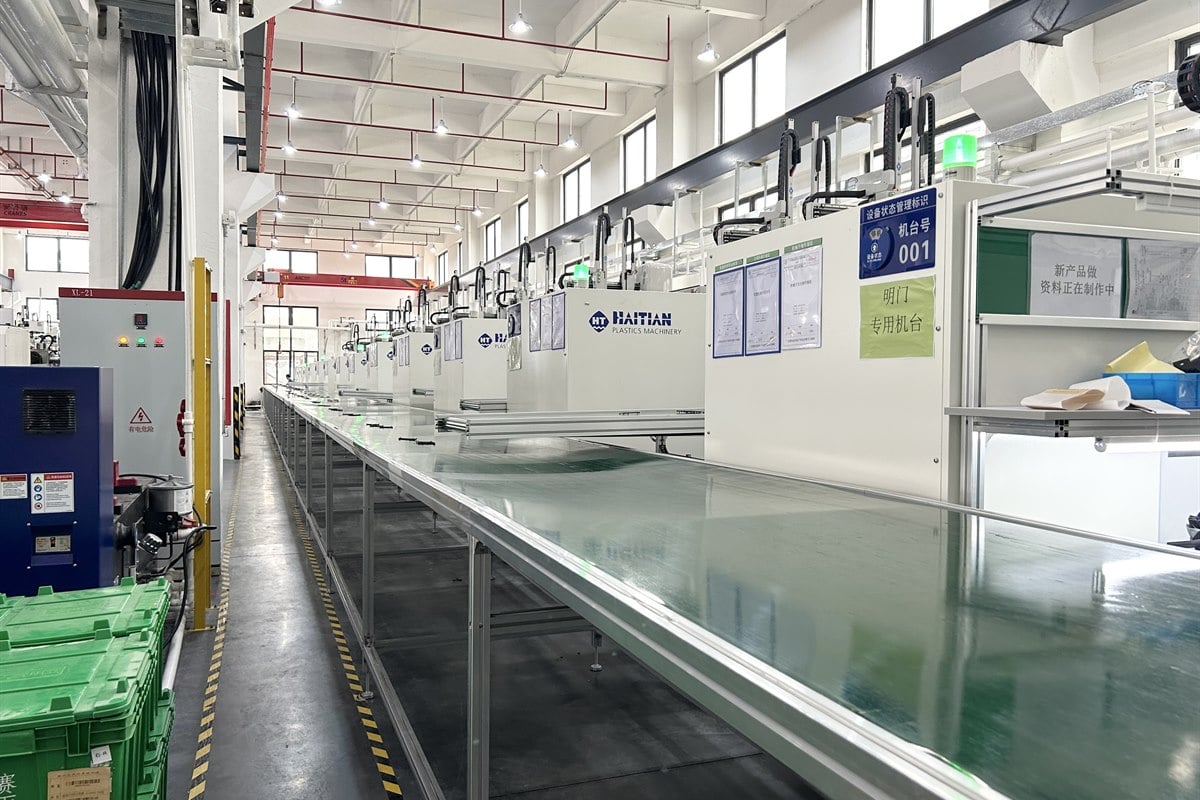
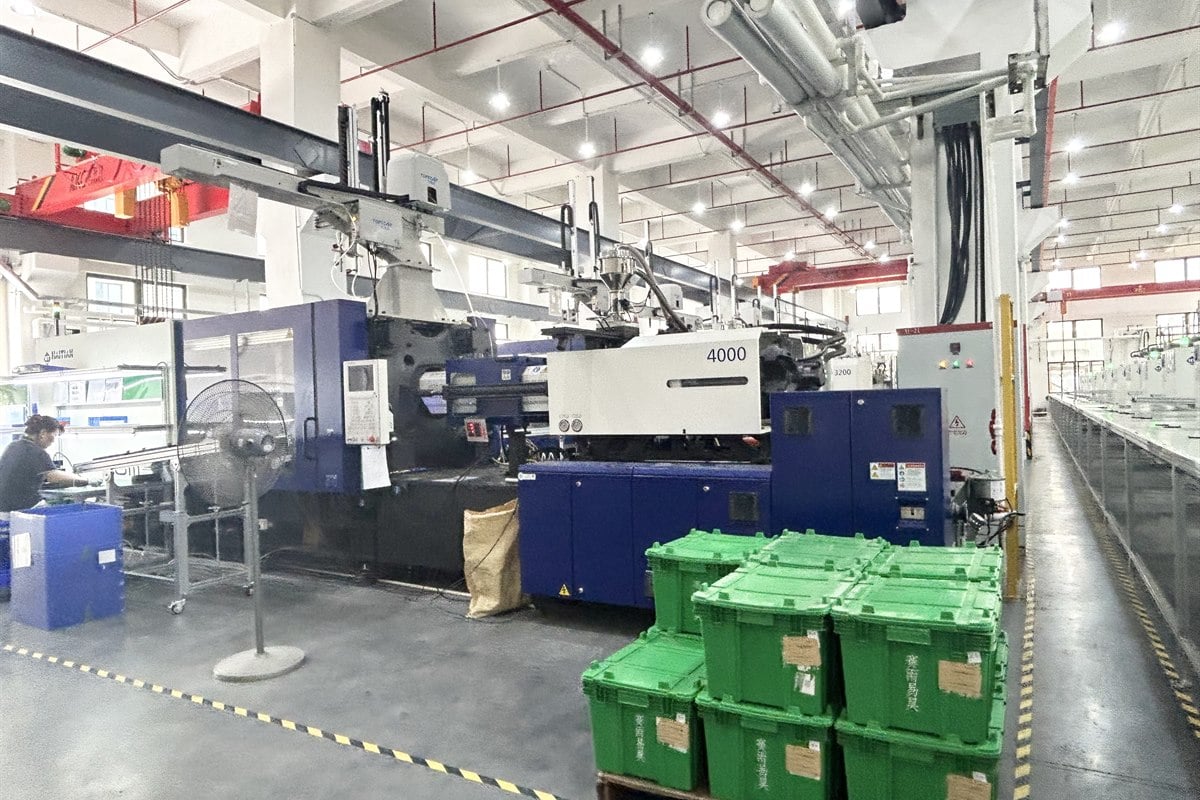
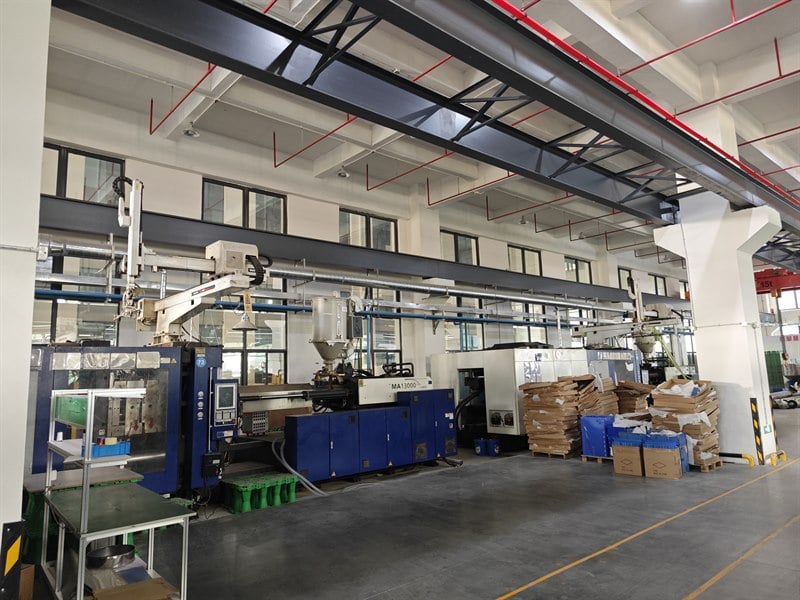
One of 200+ injection-moulding machines at our Shenzhen production base, running standard and heavy-duty module tooling.
  • 200+ injection-moulding machines, 12+ mould sets covering standard, heavy-duty, shallow-crate, connector and end-cap variants
  • Batch quality control on compression performance, dimensional tolerance and per-unit weight for both virgin and recycled PP
  • Technical drawings and container-loading plans issued before you commit to a shipment
  • OEM/ODM cooperation available for project-specific module variants

Depending on a site’s requirements for design documentation, calculation, and inspections, stormwater compliance can account for 10-20% of the total development budget,[5] and our role is to create predictability in the module supply component of that budget, complete with a confirmed lead time and loading plan before we ever leave the factory.

330 m³
maximum installed storage volume per 40HQ container, with optimised stacking
SOURCE: Storm Manage container loading specification
200,000 m²+
Injection-moulding + mould dev + QC + warehousing
50,000 m³/mo
Monthly finished-module output
600,000+ m³
Annual production capacity
Since 2013
Production base established
Click for QC Details

Checks completed before a batch ships

  • Compression performance verification against the module’s stated load class
  • Dimensional tolerance tests carried out on every production run, not just first articles
  • Ratio control of virgin to recycled PP content where requested
  • Per-unit weight control as an early indicator of issues with wall thickness or material composition
Click to flip back

FAQ

Permissible Site Discharge (PSD) is the maximum rate at which your site is permitted to release stormwater downstream, as dictated by your council. Site Storage Requirement (SSR) is the amount of storage needed to delay water release and meet the site’s PSD during the design storm event; this value is determined by your engineer’s calculation and dictates the size of the tank required.

Above-ground installations are suited for sites with excess yard space and a natural slope. Underground installations are the appropriate choice for sites where preserving existing parking areas or driveways is necessary, assuming there’s sufficient slope to allow for natural discharge and appropriate cover depth to handle traffic load.

Yes – periodic inspection and sediment removal at the inlet and orifice, on a multi-year cycle rather than monthly. Skipping inspection is how silt build-up gradually reduces the tank’s effective storage volume over time.

A detention tank OSD holds water temporarily and then discharges it at a calculated rate. A rainwater harvesting tank (retention) stores water and makes it available for use on-site without controlled discharge. They’re often combined on one site as they solve different problems.

For many Australian councils, OSD design approval will be a mandatory requirement for any development application that will increase impervious area above a given threshold. The SSR value for your engineer’s PSD/SSR will be assessed according to your specific council’s on-site detention policy, which varies by municipality. Our NSW council OSD compliance guide walks through Sydney Water and multi-council approval pathways in more detail if your project sits in that jurisdiction.

That depends entirely on the type of traffic that will be travelling across the installation and the available depth of cover at your site. Passenger cars, light commercial and heavy vehicle traffic require different load classes; we confirm your correct load class with you based on your site layout before quoting.

As modular systems, ours are manufactured to meet the calculated required storage volume and not sold in proprietary tank fixed sizes. The number of modules, the footprint and the required depth are custom configured per project after your engineer’s SSR number is confirmed.

Yes, but only if councils allow a storage offset against approved volumes to be reused. This requires pre-approval with your hydraulic engineer during the design process, as it affects the SSR calculation rather than simply adding to it at the end.

It varies between councils and the type of application submitted, so we can’t give a single time frame here. Your hydraulic engineer or your building certifier are the most qualified individuals to give an accurate estimate of the current assessment timeframe within your local government authority.

Yes, OEM/ODM can be arranged for variations of our mouldings to meet any footprint, connector or load-class requirements outside our current standard moulds, provided that the order volumes justify the tooling cost. We’ll advise you at the earliest opportunity if we think your project will be better suited to an existing mould rather than a custom one, as that generally offer a quicker turn around and lower price.

Usually, but not exclusively, particularly for trafficable underground installations where the hydraulic engineer determines the required storage volume and structural adequacy against a given load class (often based on CIRIA C737 guidelines). Storm Manage supplies the load class data your structural engineer needs to do that check – not a replacement for it.

The SSR value, a site layout clearly indicating the available space and fall, and information on the expected traffic loading on top of the tank if the installation is underground. We can start with a simple sketch and will identify any missing details prior to moving to the detailed drawing stage.