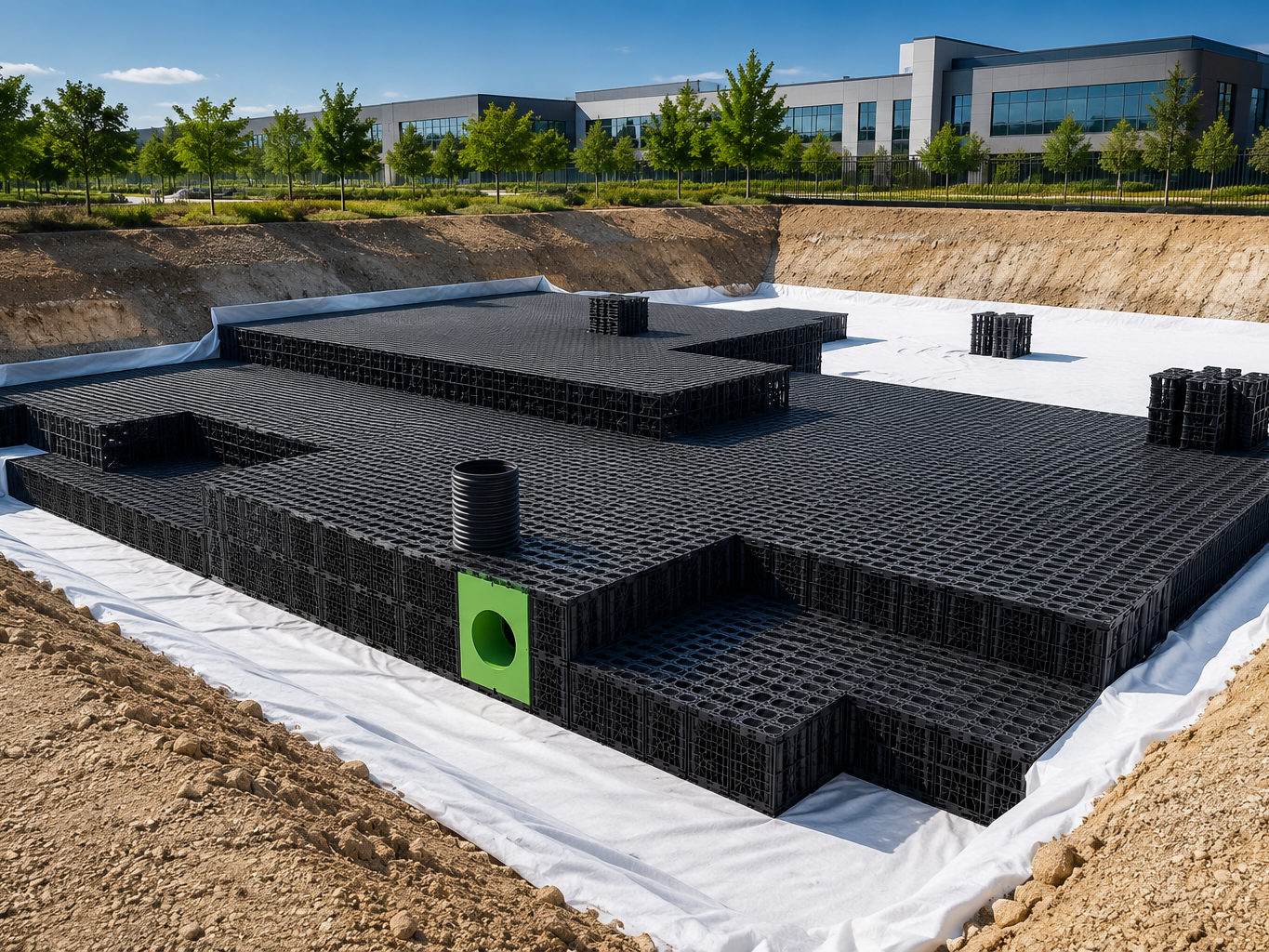
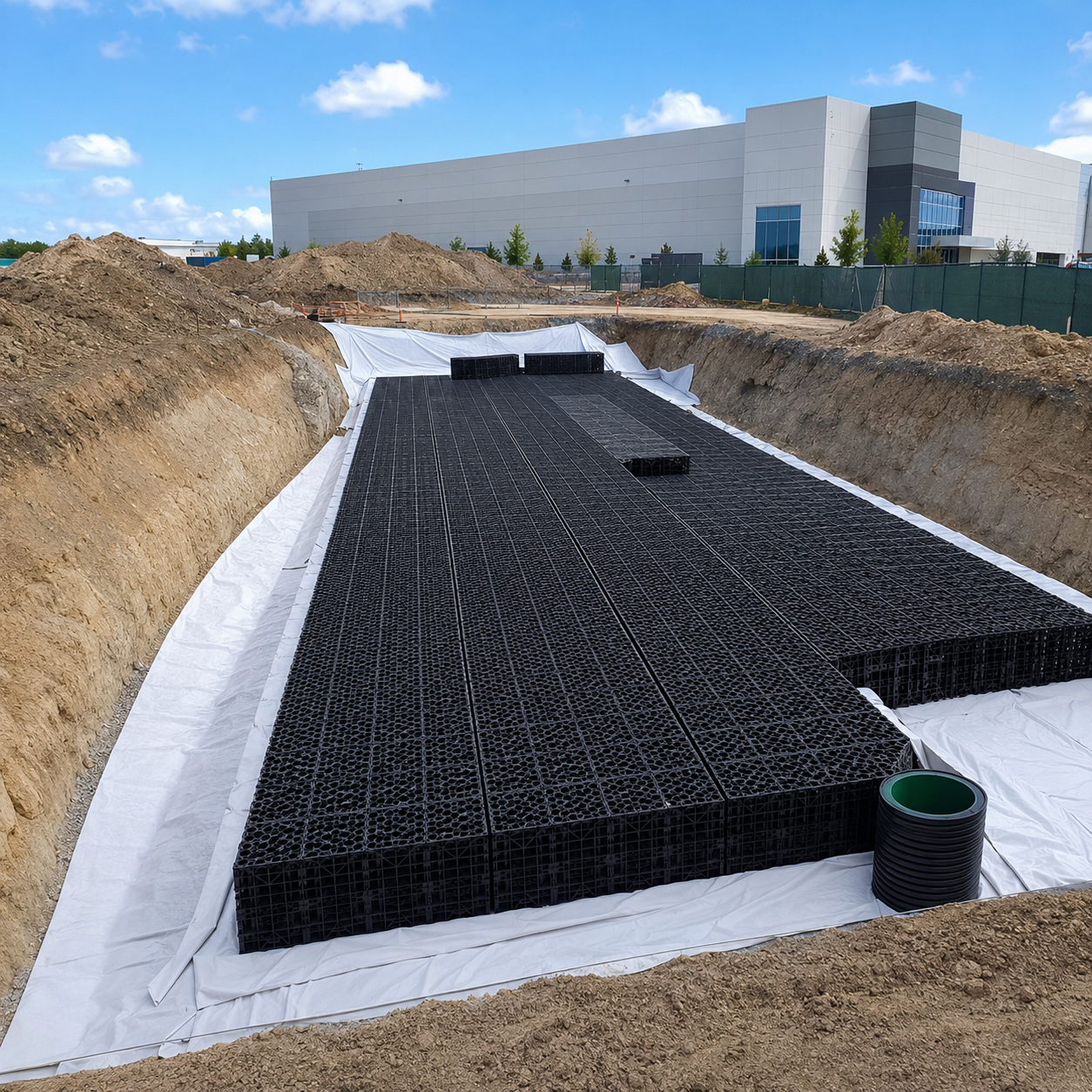
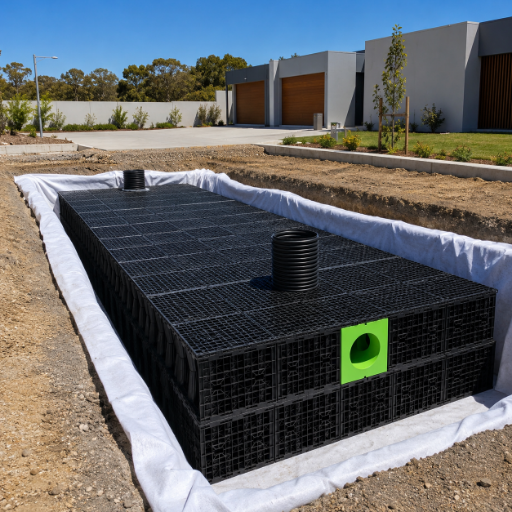
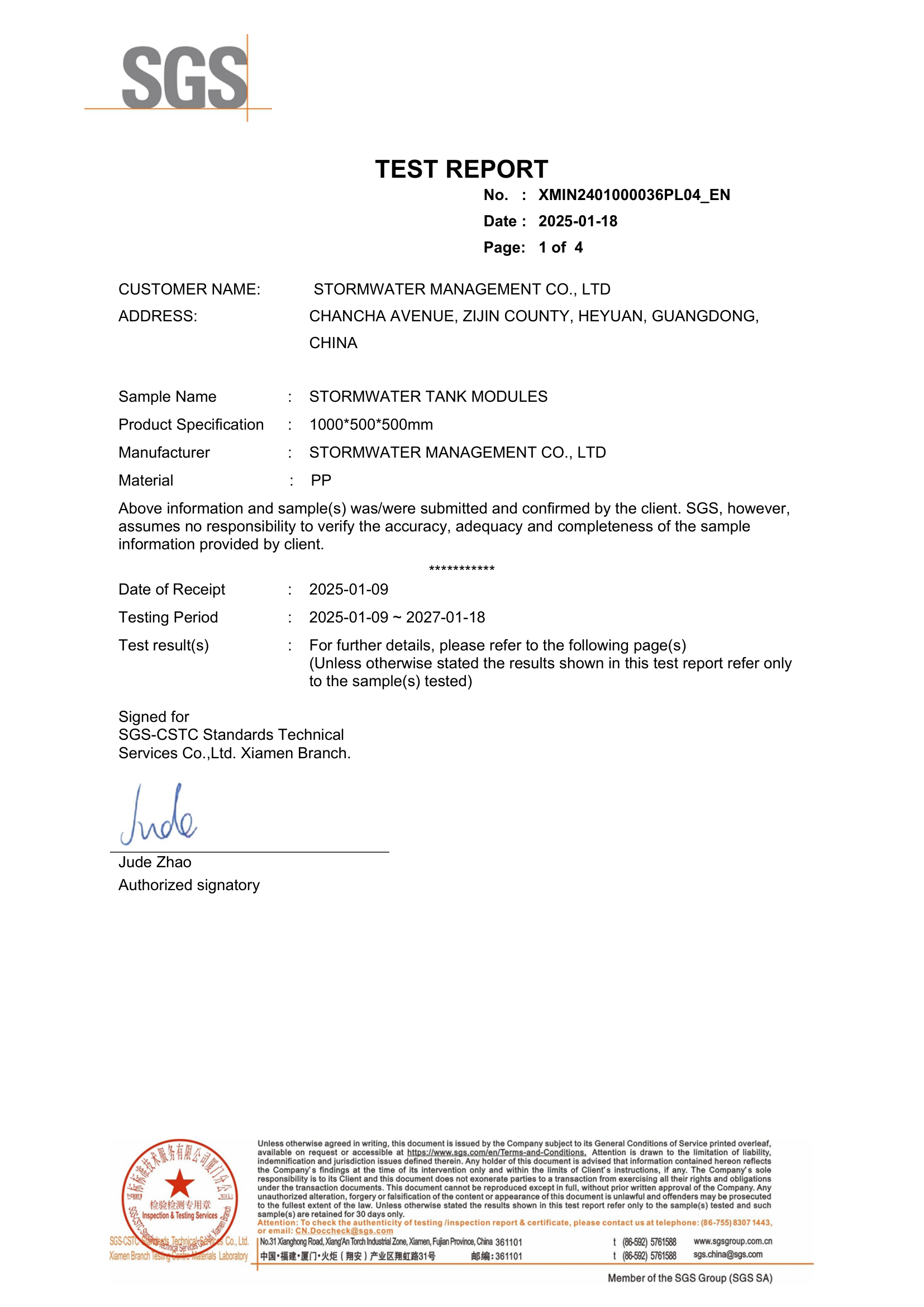
Consider a 700 m² Sydney lot within a 300 m³/ha catchment area. Required detention storage is 21 m³ - or 89 StormTank H500 modules at 0.2375 m³ of storage capacity per module. Now build the cost from listed items.
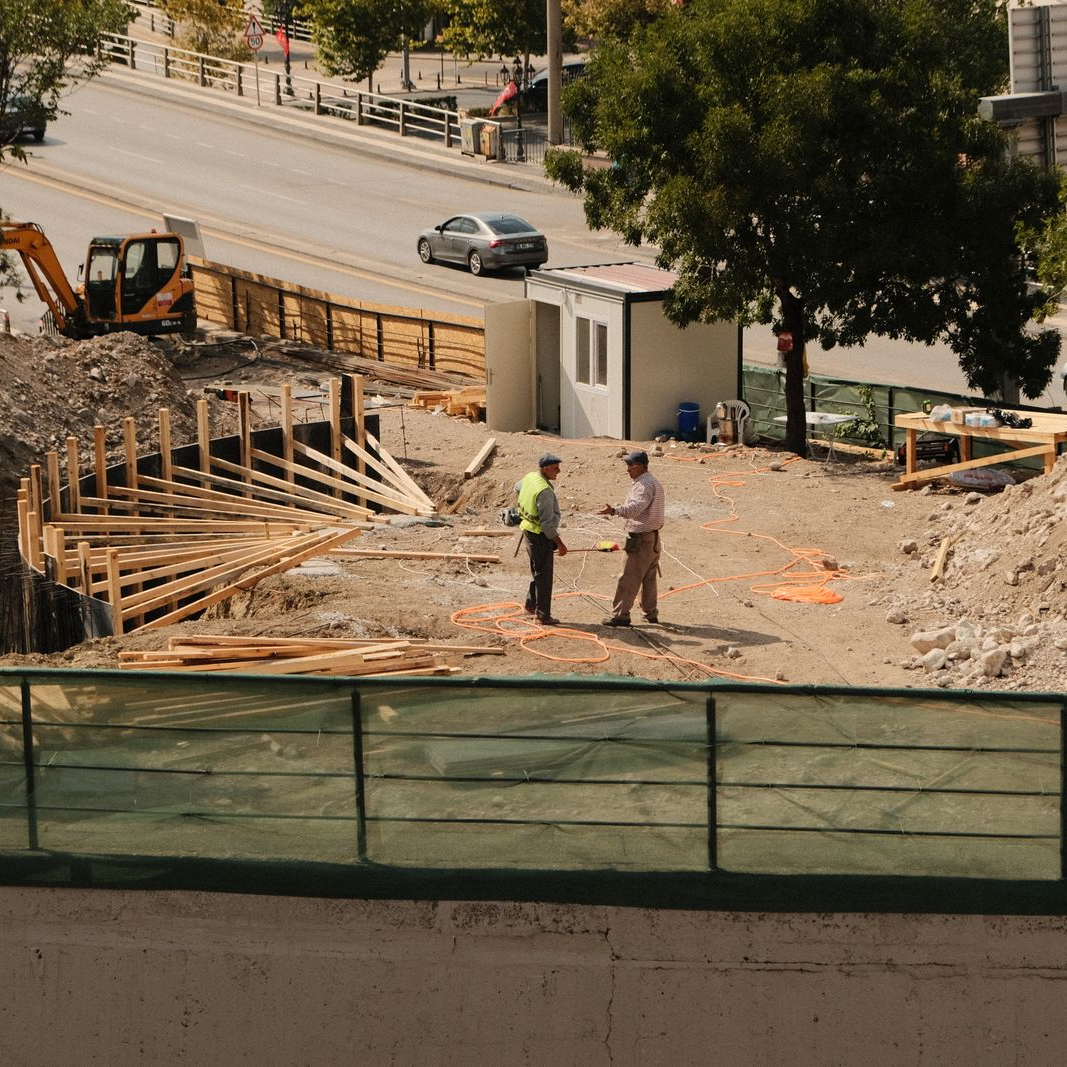
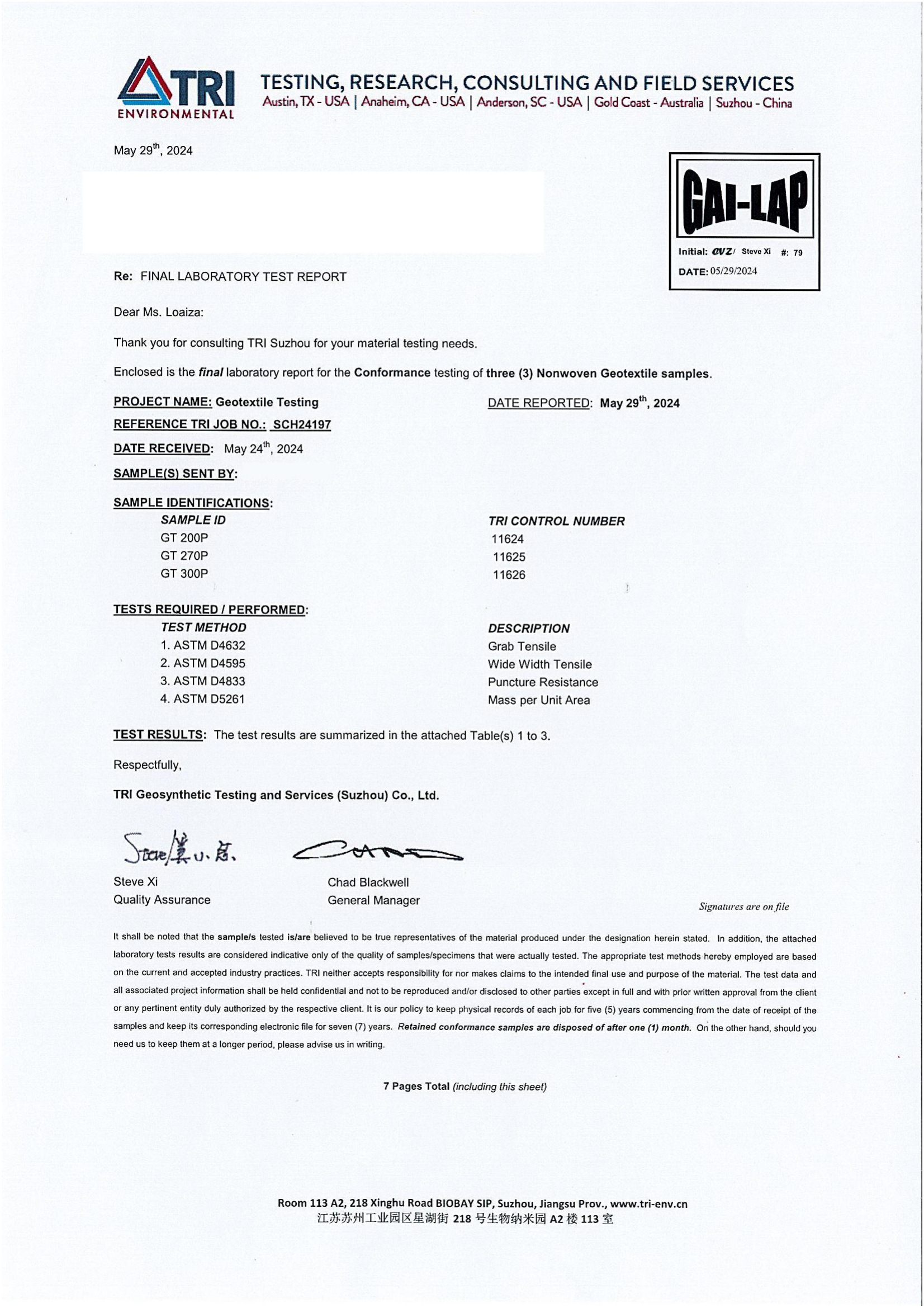
Excavation dominates at once. A 21 m³ crate field likely requires 30 m³ of excavation (bedding, side clearance, geotextile wrap). At A$70–200 per cubic metre across NSW, that single line item lands between A$2,100 and A$6,000 before anyone has priced a crate. It is the one item that is catastrophically affected by finding rock. Bedding and surrounding aggregate require more quantity (eg, 20mm blue metal, A$81–139/t in Sydney). Geotextile wrap is minor by comparison; the TRI ASTM D4632 grab tensile report is used as test evidence, not as an Australia/New Zealand compliance claim.
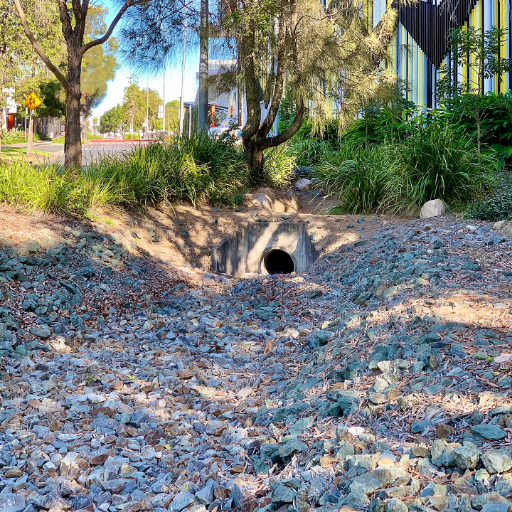
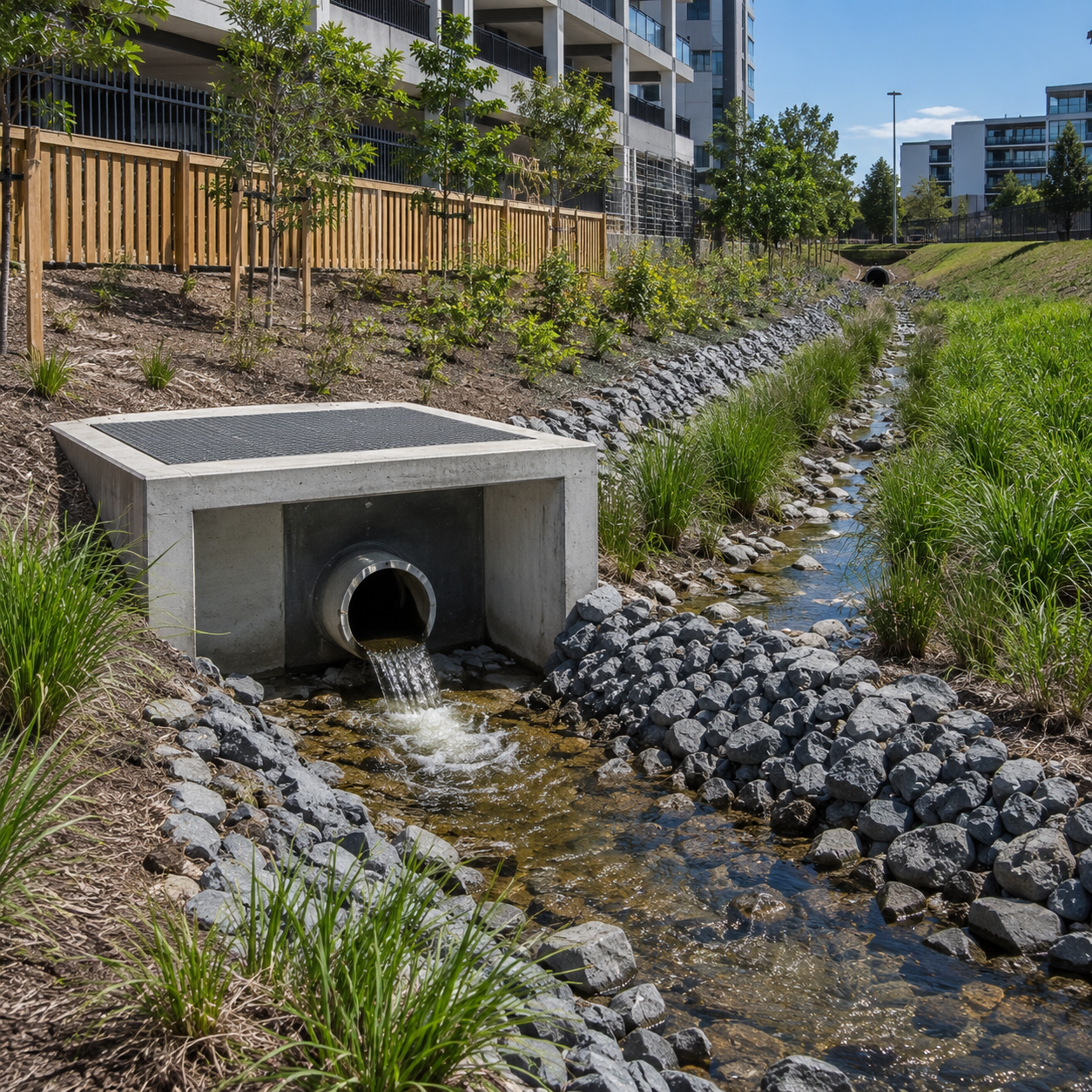
Next comes the discharge control pit. One Aussie buyer said “$8k for pit and pipe plus the cost of 2 2000ltr tanks” - where the pit and pipe exceed the cost of the tanks. One orifice plate, the only device that enables the entire system to meet the legal requirement, is dirt cheap, and sits in the most expensive component.
Contrast that with A$1,673 per cubic metre that a Baulkham Hills owner builder recently paid for an under-driveway concrete tank. Concrete itself isn't that expensive - it’s crane hire, the concrete bedding slab, curing time, and the volume of excavation for a rigid box. The flat-packed crate field tackles four out of the five cost drivers. Only excavation remains, which is why we have disclosed our excavation cost range.
This is also why our five-year cost argument is a framework, not a percentage. We have no audited Australian OSD lifecycle study to cite, and we are not going to manufacture one. What we can say is that the recurring costs of an OSD system - silt pit clearing, orifice inspection, confined-space access - attach to the system, not the material, and are effectively identical whether the void is concrete or polypropylene.