OSD Tank Compliance for NSW Councils & Sydney Water

The on-site detention (OSD) is needed by most NSW councils prior to connecting a development to the public stormwater network, however, the storage volume, discharge rate and approval path varies for each council. Storm Manager provides modular geocellular osd tanks sized to the Swinburne/ARR sizing framework which NSW councils actually use, including shop drawings and compliance documents your project engineer can submit directly.

Request a Project Quote
OSD Tank Compliance for NSW Councils

Technical Specifications

95%

Void ratio (Virgin/Recycled PP)

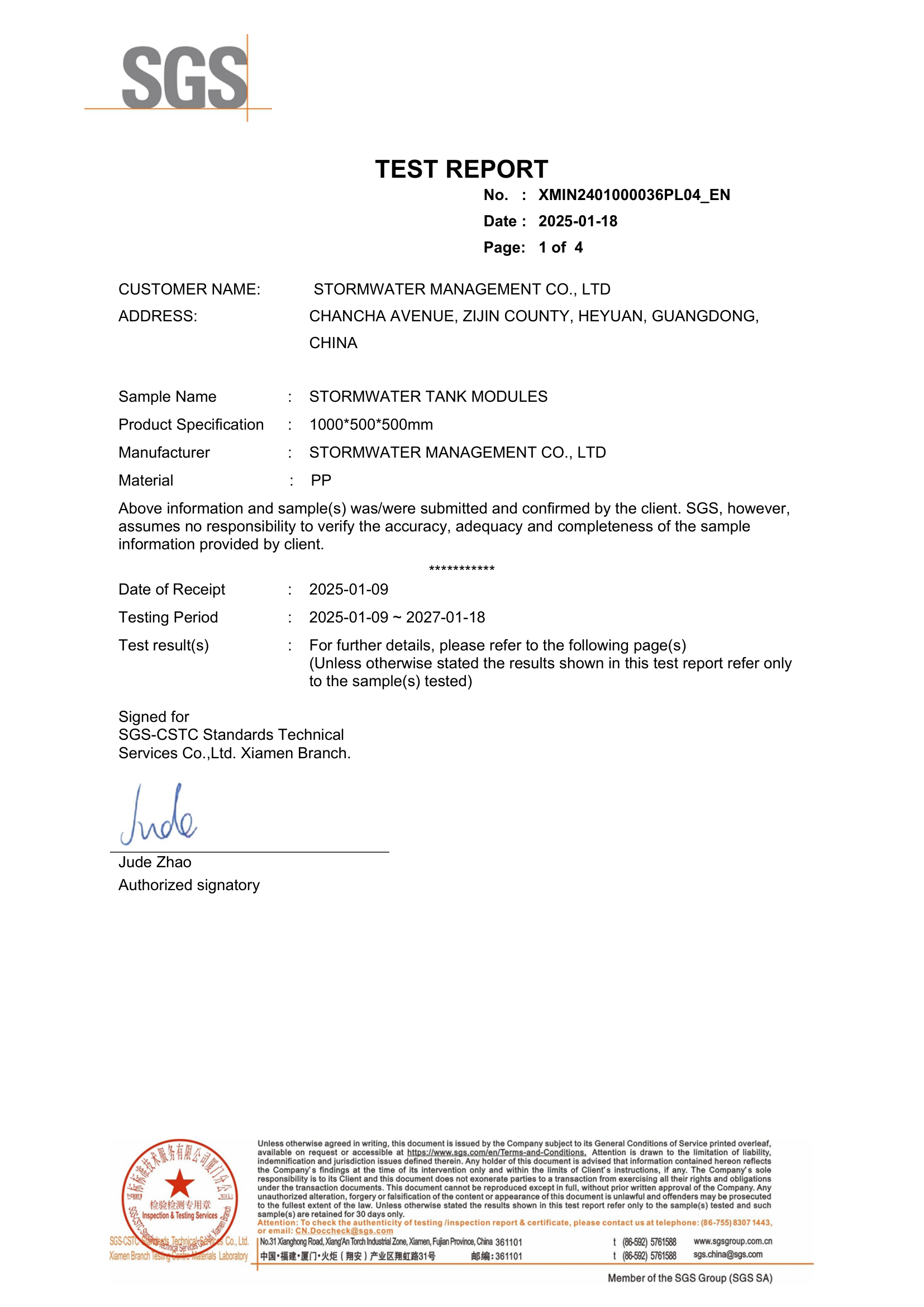
1000×500×500mm

Standard module size

D400 / HS-25

Load class range

50+ yrs

Design life

15–30 days

Lead time, FOB Shenzhen

330 m³

Storage per 40HQ container

What Triggers OSD Requirements Across NSW Councils

On-site detention (OSD) is triggered whenever a development creates additional impervious area – a new roof, driveway or paved carpark – which sends more runoff into either a council or a Sydney Water-owned drainage system. For new dwellings, knockdown rebuilds or extensions that create more impervious area than a defined limit, on-site detention (OSD) is usually required by most NSW councils; almost all commercial, industrial and multi-unit residential projects will need formal OSD approval as a standard.

Your storage volume isn’t a fixed amount; instead, each NSW council calculates it based on two interconnected figures – the Permissible Site discharge (PSD), the rate your site is permitted to release water at, and the Site Storage Requirement (SSR), the minimum volume that your tank must store to achieve this rate. Both are based on your impervious area and the local rainfall intensity data using the Swinburne Method (Phillips & Bowditch, 2006), a system that utilizes the Australian Rainfall and runoff (ARR) intensity tables against your site’s catchment area.

Engineering Note, Sizing Method Boundary

Simplified sizing method can’t be used above 1,200 m2 site area (Tables 2a and 2b only apply for smaller sites). For larger or more complex sites, you need a full Swinburne Method calculation from a hydraulic engineer, a distinction that catches many first-time DA submissions off guard.

A gravity-fed osd tank isn’t an option for every site. OSD tanks require roughly 3m of fall across the site for stored water to gravity drain to a street or an easement outlet; a flatter site will usually need a pump-out system. Check this as early as possible before you order your tank, to prevent a costly redesign partway through your project.

This is also where you’re likely to hear distributors and contractors ask us the wrong first question. “What size tank do I need?” can’t be answered until we know “which authority does this site discharge to” as that answer defines which PSD/SSR table applies in the first instance. We’ll look at that authority question in the next section.

Engineering Note Sizing Method Boundary

Why the Control Matters, Not Just the Storage

An osd tank isn’t just an empty box. At its outlet is an orifice plate that meters the rate at which water flows out of the system – at or below the PSD at the point of release, even when it’s pouring rain. If that flow control isn’t correctly specified, then while you might have the right storage volume, you won’t have a compliant stormwater detention system as the storage isn’t actually managing the flow rate that the council is expecting.

The tight controls councils impose arise from the impacts of downstream: unchecked development stormwater runoff will overwhelm your local drainage network and create additional flood risk on sites downstream from your own. Satisfying council requirements is a piece of the larger stormwater management solution that allows everyone downstream and that network of pipes and drains to continue working as it was intended.

  • Roof area is calculated using a factor of 1.0 ( fully impervious).
  • Paved/driveway area: counted at 0.9
  • Grassed or landscaped area is calculated at 0.75, indicating a percentage of infiltration.

These factors are used to derive your site’s ‘equivalent impervious area’ which is the foundation for every council’s PSD/SSR calculations.

Storm Manager Modular OSD Tank Design & Sizing

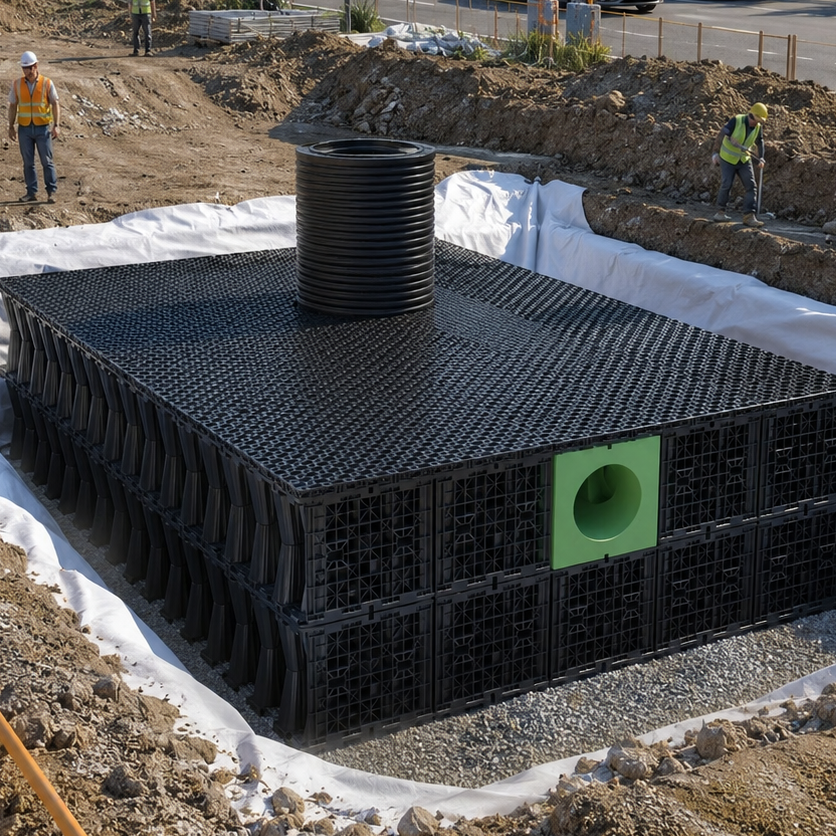
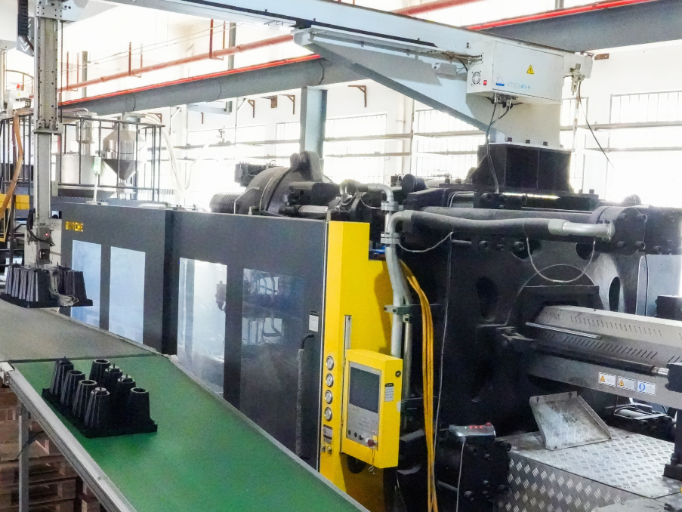
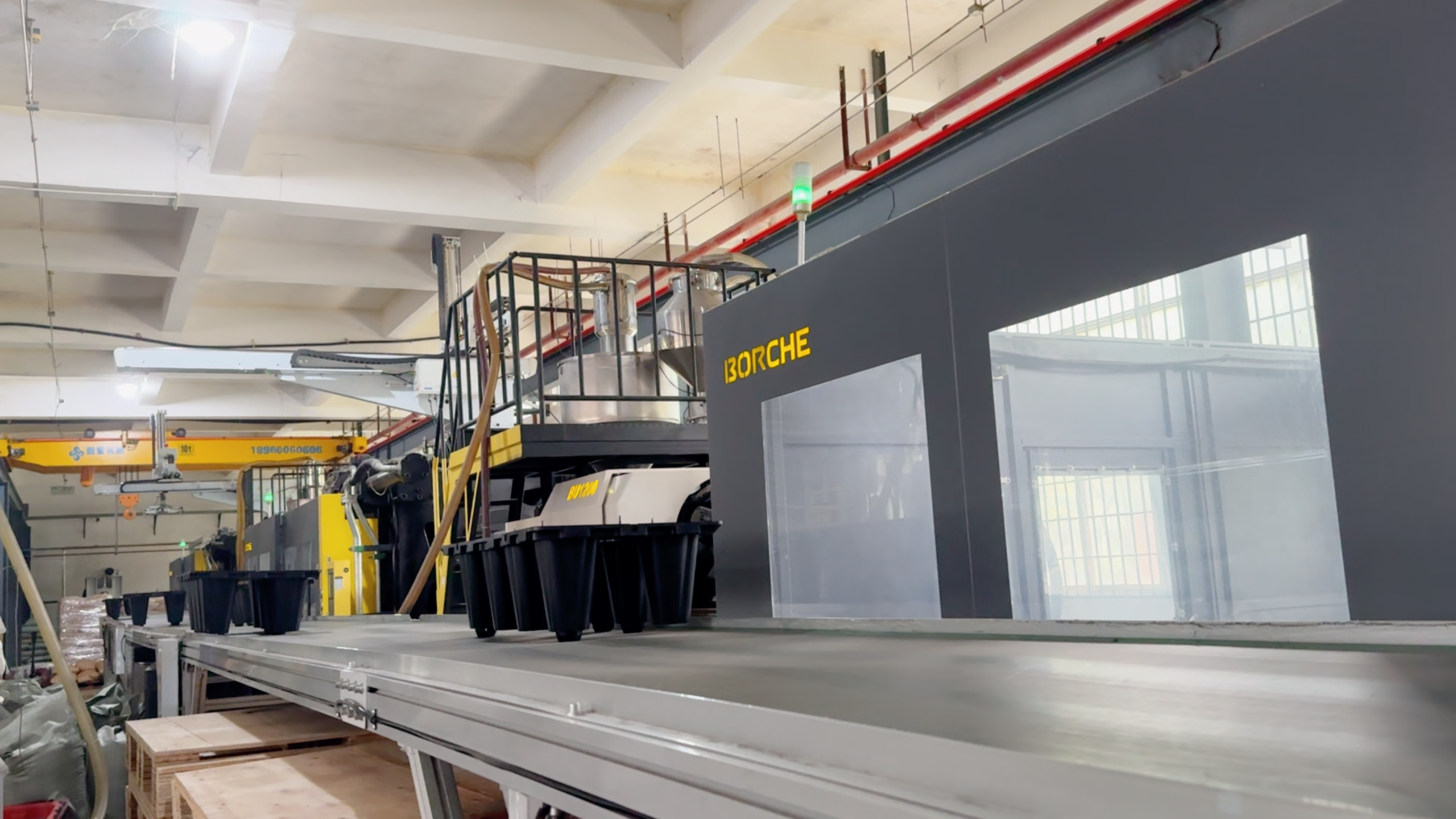
Storm Manager’s osd tank is a range of injection-moulded Virgin or Recycled PP modules, each sized at 1000x500x500mm that lock together to form a continuous, trafficable or non-trafficable, storage block sized to suit the required SSR. At 95% void ratio this means that, for the same excavation footprint, the equivalent volume hold about 3 times more water than the average filled gravel or aggregate soakaway of the same volume.

Configuration Typical Site Cover Depth Load Class
Below-ground, trafficable Driveway / carpark over tank ≥500mm cover D400 / HS-25
Below-ground, landscaped Garden / lawn area over tank 300–500mm cover HS-20
Above-ground, enclosed Commercial/industrial plant room N/A SLW60
Material & Module Spec
  • Material: Virgin PP or Recycled PP injection-moulded one-piece module.
  • Working temperature: −100°C to +80°C.
  • Design life: 50+ years underground.
  • System Scope: Complete kit with geotextile and geomembrane lining, inlet and outlet connections, inspection access pits and silt traps for a full OSD system, not just storage.

MOQ is available from single small residential projects up to full container load sizes as the one module family covers a small 5 m³ infill to large 300+ m³ commercial OSD and therefore you'll never outgrow the product line as your projects grow.

Geocellular OSD is a proven and accepted solution through out Australia, with Engineers Australia's own trade publication documenting the successful application of paired geocellular tanks in series to achieve a combined detention volume on a small 22-unit development in Melbourne, which translates perfectly to small infill sites and townhouses throughout NSW.

Two factors determine if a single or a series arrangement is best for a site: the amount of excavation available, and the amount of SSR that can't be accommodated in one block at the proposed cover depth. Our team sizes these from the site plan prior to quoting and it's the most common mistake made by many distributors when quoting a generic block against a guessed impervious-area, rather than a calculated SSR.

We bridge that gap by asking for the SSR (or the raw impervious area) up front and verifying the module configuration before we quote - because whether you choose a single, continuous block versus a series of individual modules depends on your site's excavation limitations, not on some catalogue default. Unlike a distributor quoting off a guessed impervious-area figure, we won't confirm configuration until the SSR is real.

Get a configuration estimate for your project.

Modular Geocellular vs Precast Concrete OSD Tanks

Precast concrete osd tanks remain the status quo in NSW, particularly for large commercial sites that have already established the use of concrete civil works. The trade-off is excavation and install time versus ongoing joint maintenance, a contrast easy enough to explain conceptually, but seldom quantified.
In practice, a site’s accessibility will likely dictate the selection, not brochure preference. An inner-sydney lot constrained by its dimensions and lack of crane access may require hand-installable modular crates; conversely, a greenfield commercial site that's already employing heavy equipment for other concrete work might find precast sections easy to transport. There's no “better” format; the right choice hinges on your site’s excavation restrictions and timeline, not the other way around.
Modular Geocellular vs Precast Concrete OSD Tanks Comparison
Factor Storm Manager Modular PP Precast Concrete
Void ratio 95% N/A (solid vault, capacity = internal dimensions)
Unit weight (per module) Hand-installable, no crane required for standard modules 4–10+ tonne per section, crane-dependent
Design life (underground) 50+ years 75–100+ years, subject to joint/crack maintenance
Working temperature range −100°C to +80°C Not typically rated (material-dependent)
Site access requirement Standard excavation, no heavy crane Crane access for section placement

Sydney Water & NSW Council Approval Pathway

When you ask the question, "How big is it?", most OSD projects quickly transition to a more pressing one: "Who approves it?". If your property's outflow discharges directly to a Sydney Water-owned drainage infrastructure asset, Sydney Water's own guidelines dictate your OSD requirements, which may require formal approval and agreements with the agency in addition to council development consent. If the drainage asset is council-owned, then the local council's Development Control Plan (DCP) defines your site's PSD and SSR criteria - and each council establishes its own numbers.

Discharge Point Approving Authority Typical Required Documents
Sydney Water-owned system Sydney Water (in addition to council DA) OSD approval application, hydraulic calculations, Works-as-Executed drawings
Council-owned drainage / kerb Local council, per its DCP OSD design certificate, PSD/SSR calculation sheet, hydraulic engineer sign-off
North West Growth Area (WSUD toolkit) Blacktown City Council Combined OSD + WSUD compliance package

To illustrate this point with concrete examples: Wollongong City Council integrates OSD as a standard item within its flooding-and-development standards. Blacktown City Council, in contrast, consolidates its OSD and WSUD requirements into its North West Growth Area WSUD toolkit rather than a separate, standalone OSD document. City of Sydney and MidCoast Council each provide unique OSD/stormwater drainage manuals with specific council PSD tables, highlighting that a universal "one-size" tank spec won't clear every council on the first submission.

"Every OSD job starts the same way for us, confirm which authority the site discharges to before we size anything. Get that wrong and the hydraulic calc has to be redone from scratch."

Senior Application Engineer, Storm Manager Engineering Team

Storm Manager doesn't act as your NSW-registered hydraulic engineer of record, that sign-off has to come from a local engineer for each DA. What we provide is the product side of that submission: certified load-rating data, module drawings, and system layout support your engineer can drop straight into the council package. Unlike a supplier who only ships a spec sheet, Storm Manager resolves the product-documentation half of your submission before your engineer even asks.

One pitfall to avoid: treating the PSD/SSR table from one council the same as for another neighbour, or thinking Sydney Water approval substitutes a council DA (it doesn't - typically you require both). Fail on this point, and your DA could be in for a lengthy resubmission cycle of several weeks. By confirming the discharge authority in week 1 of design, it's entirely avoidable. Storm Manager holds the load-rating certificates and module drawings you'll require to look at the correct PSD/SSR table first time.

WSUD, MUSIC Modelling & SQIDEP

WSUD, MUSIC Modelling & SQIDEP, What Else Your DA May Require

The conflation of OSD, WSUD, MUSIC modelling, and SQIDEP into a single, confused discussion obscures the fact they all solve entirely different problems. This is another very common (and preventable) error on DA submissions that triggers a request for resubmission of the council DA.

Term What it actually covers Does Storm Manager's tank apply?
OSD (On-Site Detention) Stormwater quantity control — temporarily storing runoff and releasing it at a controlled rate Yes — this is the product on this page
WSUD (Water Sensitive Urban Design) A broader policy umbrella covering quantity, quality, and reuse — OSD is one tool within it OSD tank contributes to the quantity component of a WSUD strategy
MUSIC Modelling Software simulation of stormwater quality treatment performance across a catchment (eWater MUSIC tool) No — MUSIC modelling is a separate water-quality assessment your project engineer runs; it doesn't size the OSD tank
SQIDEP Stormwater Quality Improvement Device Evaluation Protocol — third-party verification for pollutant-capture devices like filters and gross pollutant traps No — SQIDEP applies to water-quality treatment devices, not detention/storage tanks

For practical purposes, most mixed-use and larger residential DAs require an osd tank sized to satisfy PSD/SSR and a separately modelled MUSIC treatment train to deal with water quality - usually submitted as two linked sections of the same package. If a council's WSUD checklist requires MUSIC modelling, then this will be handled in your stormwater consultant's software rather than a council-compatible specification your tank meets.

Where this is relevant for procurement, is that if a distributor or contractor receives an enquiry asking for a “SQIDEP-verified osd tank”, the query will likely refer to the wrong category of stormwater infrastructure product. SQIDEP refers to verification of a pollutant-capturing treatment device, not storage - the product of a detention store. Advising the specifying engineer early on this important distinction help prevent purchasing the wrong type of compliance documentation for the wrong device, saving potentially costly DA submission rejection weeks from a critical deadline.

Unlike any treatment device supplier, Storm Manager can only address the volume dimension of your stormwater solution. The volume/storage and treatment dimensions of your stormwater solution are separate and defined by their physical nature, not any supplier marketing spin. If a supplier call a detention product "SQIDEP verified," treat that as a red flag on their product knowledge, not a compliance credential.

Certifications Behind Every Storm Manager OSD Tank

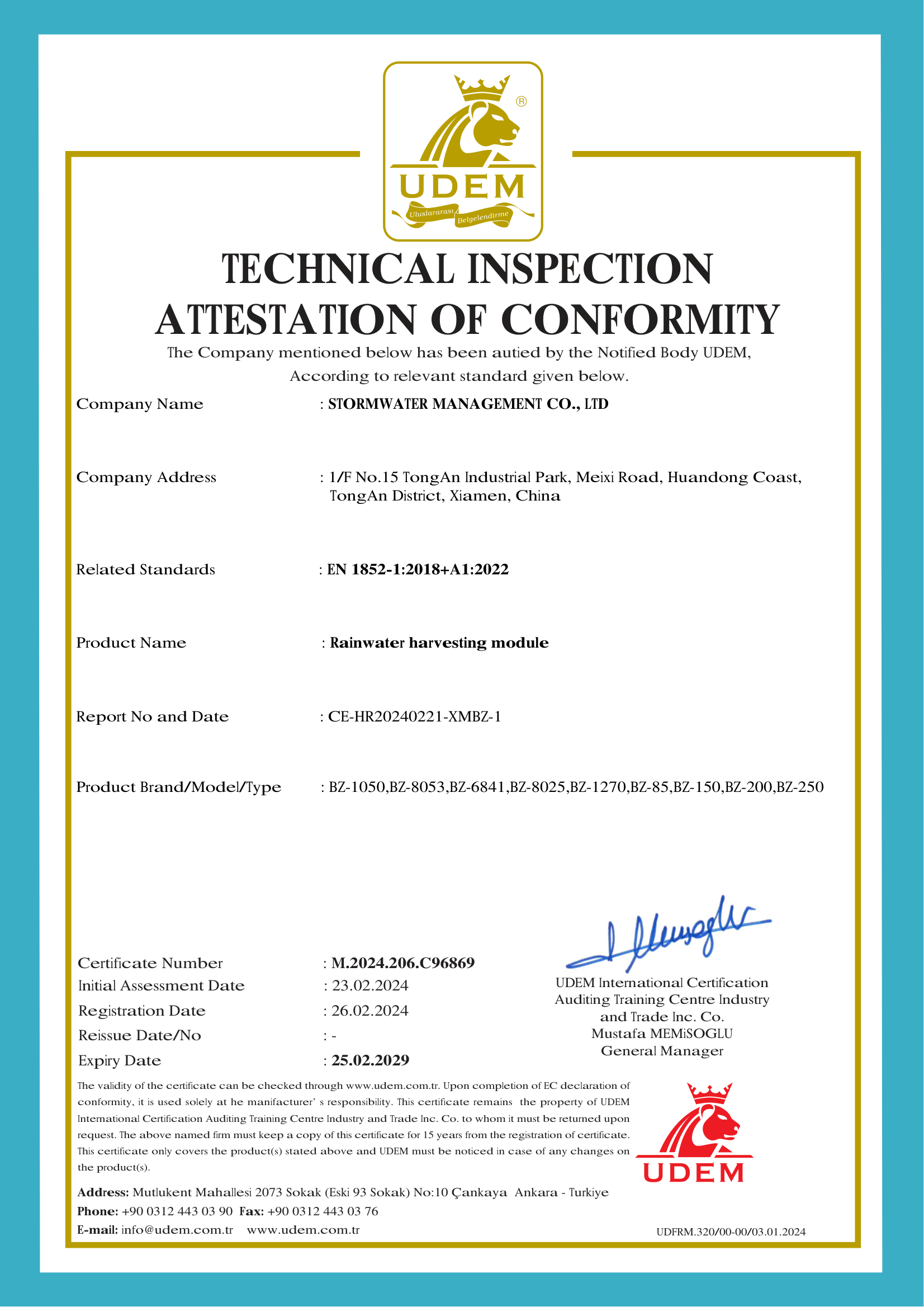
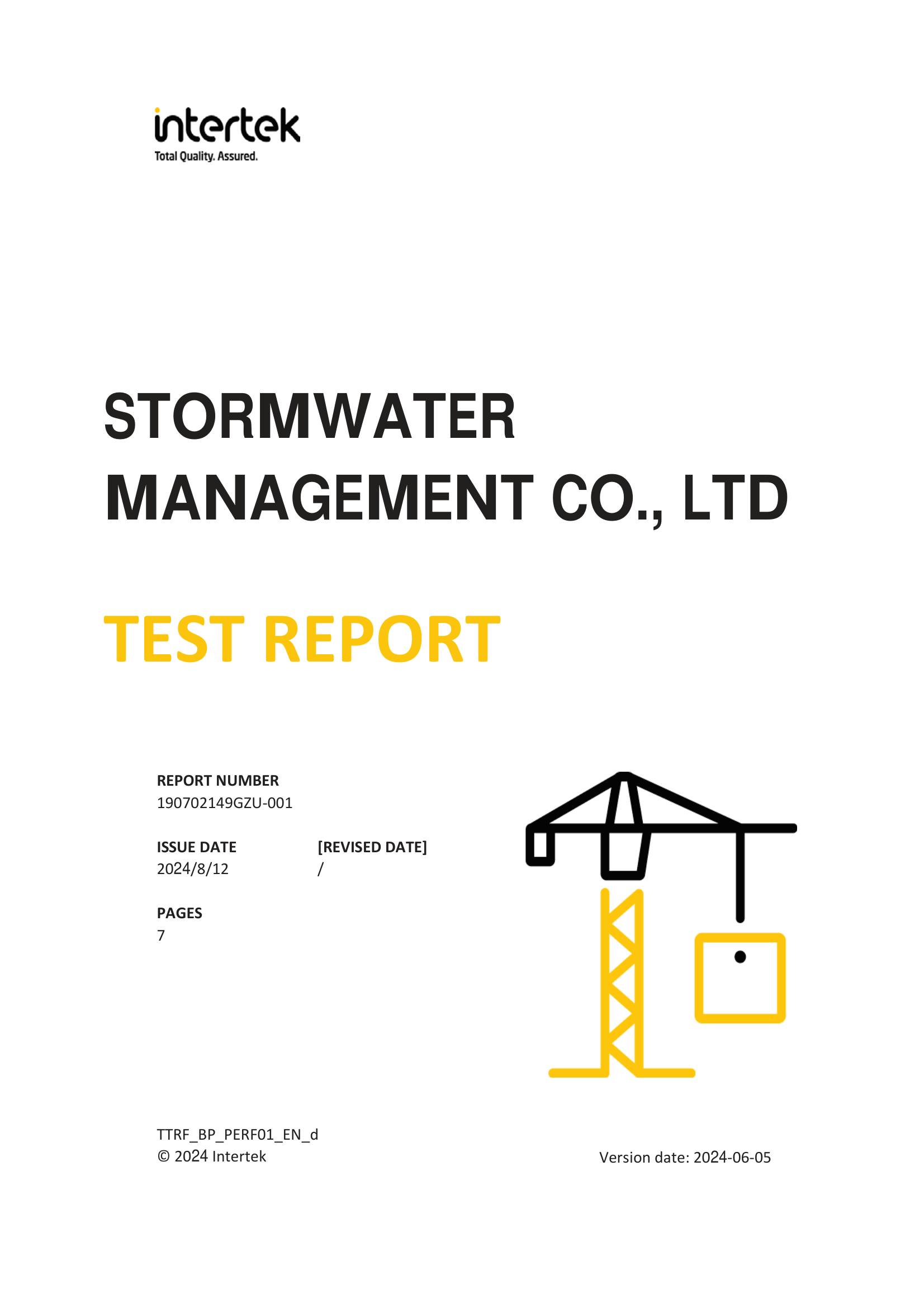
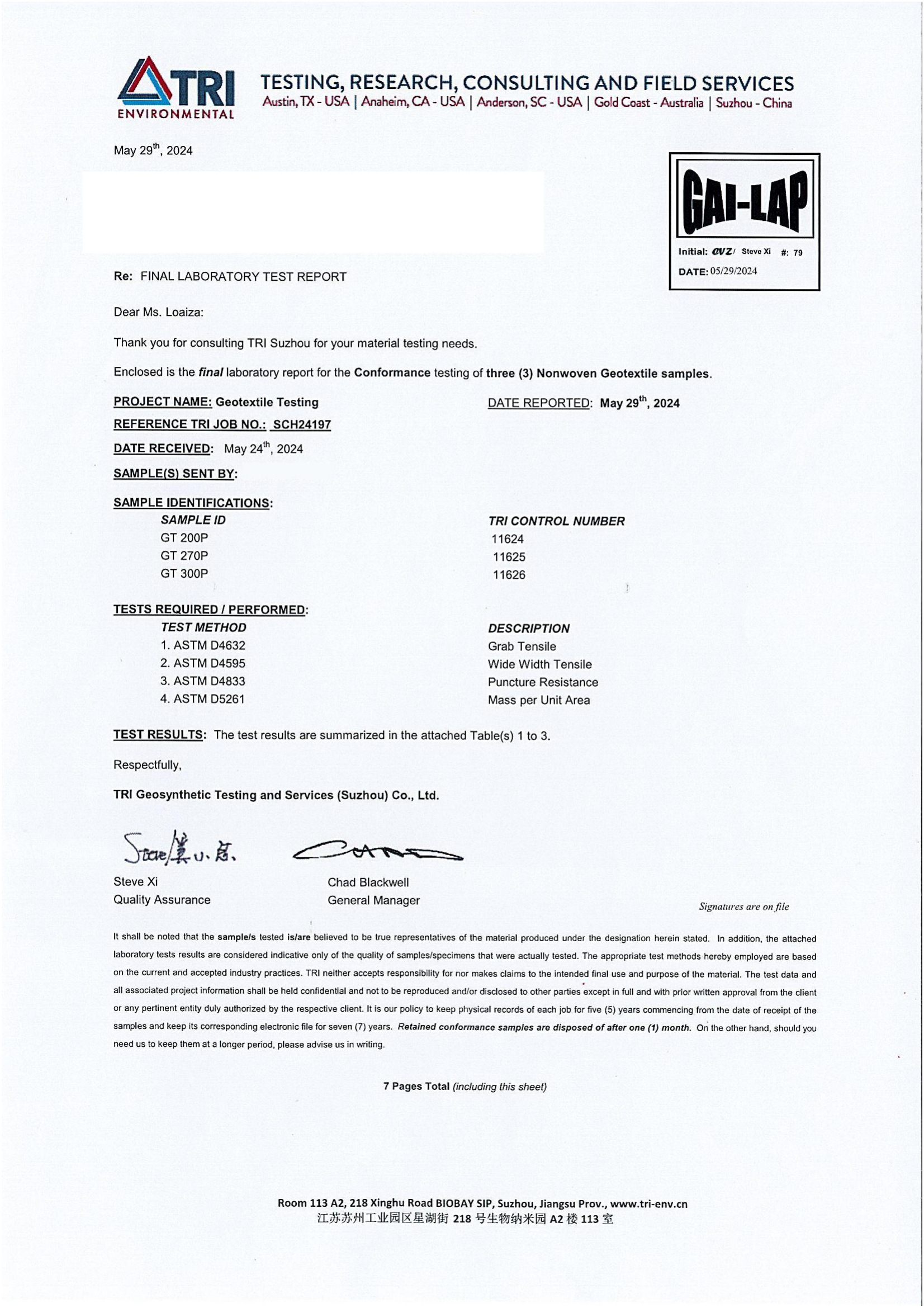
Each module in our system has been independently verified for performance to international standards - including those governing the system as a whole, its materials, and its structural strength - not simply for static compressive strength alone.

CIRIA C680 Structural design methodology, vertical load (Intertek, 2019)
CE EN 1852 Rainwater module (UDEM, 2024)
EN 124 D400 Heavy-duty/highway load class
ASTM F2418 PP resin (TRI)
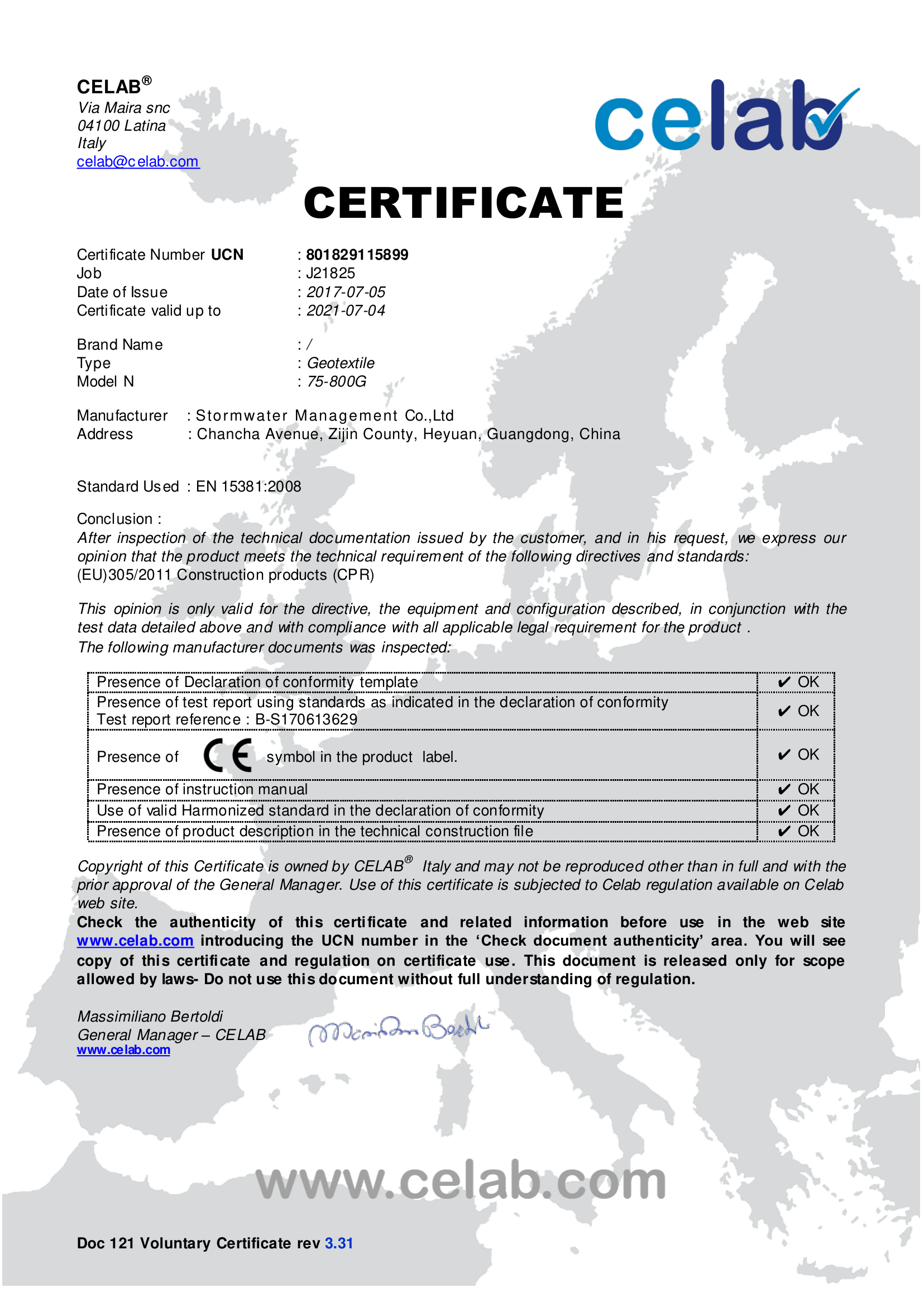
ISO 9001 Quality management
ISO 14001 / 45001 Environmental / safety management

On Standards Currency

CIRIA has subsequently updated its methodology for structural design of modular geocellular tanks from C680 to C737 (2018) that applies a higher, more conservative safety factor. Our modules were tested in accordance with the methodology of C680 in 2019 and we declare this for the avoidance of doubt; any users referring to recent literature should contact us to ask whether C737-compliant verification for a specific project is available.

Each of our projects includes the full system components in addition to the modules - such as the CE-certified geotextile and geomembrane and associated connectors/inspection chambers - ensuring your installed system is covered, from crate to the very last fitting.

Not a single badge among these is for decoration. Our batch quality control includes a compression performance validation, a dimension tolerance check, and a virgin to recycled PP material ratio control with each and every batch, a record of per unit weight recorded prior to dispatch - the kind of paper trail a council or Sydney Water reviewer can actually cross-check with their submitted certificate, instead of take it as granted.

That gulf between 'claims to be certified' and 'able to supply the requested certificate on demand' is the place where most standard osd tank listings fail to perform - it's an item worth verification before specifying any given supplier. Unlike an isolated claim on a single compression test result, Storm Manager sustains a multi-standard certification stack, encompassing structure, material and system level components, as either a council reviewer or Sydney Water auditor has the right to request it on any individual basis.

Need the certificate pack for a council or engineer submission?

Request Load-Rating & Compliance Certificate Pack →
Storm Manager stormwater detention module sourcing, container loading=

Sourcing Guide, Lead Time, Container Loading & OEM Support

Standard lead time is 15-30 days upon order confirmation and we ship from Shenzhen, Yantian or Shekou port of origin (Qingdao/Ningbo upon request). A 40HQ ISO 668 container holds around 330 cubic metres (m³) of installed storage volume when stacked optimally, enough for most single-site commercial OSD projects in a single container delivery.

~68%

less excavation volume than an equivalent-capacity aggregate soakaway, based on the void-ratio differential above

Directional estimate from published void-ratio comparisons (95% vs ~30-35%); confirm exact figure for your site's geotechnical conditions with your engineer.

Factors That Actually Drive Landed Cost

  • Load Class Required - HS-20 (landscaped/pedestrian) is less costly to specify than D400 (highway/trafficable)
  • Total volume storage required (SSR) - dictated by your council's PSD/SSR calculation, not by product selection
  • System Kit Specification - inclusion of geotextile, geomembrane and inspection chambers, versus external procurement
  • Per-meter freight cost - this figure vary greatly based on container utilisation rate; one full 40HQ container as opposed to multiple smaller part loads.

We avoid quoting a single per-meter cost figure because these four variables make it too volatile for an accurate upfront estimate.

Contact us for a landed-cost quote based on your project parameters

Custom mould development projects are available (45-60 days lead time) under OEM/ODM agreements; ideal for distributors or repeat civil contractors requiring custom-dimensioned or co-branded modules rather than our standard catalogue products.

Where Storm Manager Fits in Your Supply Chain

We've three different types of clients who we engage with: 1) Civil engineering contractors typically place orders for a specific project against a pre-approved council-based SSR volume, 2) drainage distributors and water infrastructure specialists stock our standard range of modules based on anticipated demand for various projects, and 3) Project Developers usually approach us early on, even prior to DA lodgement, to ascertain product availability and lead times for their project scheduling.

Regardless of which client type you're, our quotation process remains the same: we'll need your site's determined SSR (or the equivalent impervious area if your SSR isn't yet available), your council or Sydney Water target discharge, and your intended Load Class to calculate configuration options, lead times and provide landed-cost estimates.

Hidden risk in OSD supply isn't necessarily the per-meter unit price, but rather a supplier who can't readily produce a copy of their certification paper trail upon request from a council or Sydney Water reviewer; this usually results in costly redesign work far exceeding any initial savings from a cheaper product. Unlike a supplier chasing the lowest unit price, Storm Manager quantifies that paperwork risk as part of every quote, not as an afterthought once a council rejects the submission.

FAQ

What is OSD land, and how is it different from a new OSD requirement?

If the land already has a registered on-site detention as a result of a previous development approval - the tank (or easement thereof) passes to title - then you'll need to review council's records regarding the existing OSD design and volume before assuming that you can re-use, re-size, or remove it.

Is on-site detention (OSD) mandatory for my NSW development?

Generally yes - provided your project creates new impervious area (e.g., roof area, paving, driveway) and discharges into a council or Sydney Water stormwater system. There are often exemptions for single houses where site area is less than some small threshold within a council's DCP; ask your council or your hydraulic engineer.

What's the difference between OSD, MUSIC modelling, and SQIDEP?

OSD deals with quantity of storm water (i.e., amount and rate that water leaves the site). Stormwater quality treatment performance is assessed in software, via MUSIC modelling. Physical quality treatment devices (e.g., filters) require a separate verification method, SQIDEP. One DA could require all three to be itemised separately - see disambiguation table above.

Can an OSD tank be installed on any site?

Not on every site - gravity-fed osd systems usually require about 3m of site fall across the property in order to drain to the street or easement outlet, so flat sites will generally need a pump-out solution rather than a conventional gravity tank.

How long do modular geocellular OSD tanks last?

The Storm Manager PP modules are designed for 50+ years of underground service. In the real world, failures in geocellular systems are almost always caused by installation quality - i.e. the quality of the backfill and the geotextile wrapping of the cells - rather than material degradation, so good installation is as critical as good product quality.

Does Storm Manager install OSD tanks on-site in NSW?

No - Storm Manager are export manufacturers of certified modular tank systems and engineering documents, quoted FOB from our Shenzhen factory. The installation is the responsibility of your local civil contractor, with whom we support through provision of shop drawings, load rating certificates and technical guidance for your project engineer.

Who approves my OSD design, the council or Sydney Water?

Depends where your site discharges - If discharges to Sydney Water owned drainage, Sydney Water specify requirements (may involve a separate agreement). If discharges to a council owned system the PSD/SSR figures in the local council's DCP apply.

What size OSD tank do I need?

It's a function of site impervious area and local rainfall intensity, calculated via the Swinburne Method / ARR framework, not selected from a size chart. Site area less than 1,200 m2 may qualify for the Simplified Method; larger and more complex sites require a full hydraulic calculation by an engineer.

What's the minimum order quantity for a Storm Manager OSD tank?

As the module system can scale from small residential infill sites up to larger 300+ m2 commercial systems, using the same basic module families, there isn't a fixed high-volume MOQ - please provide your calculated SSR volume with your quote request for current pricing and lead times.

Why don't you publish a fixed price per cubic metre?

Because load class, total SSR volume, system kit scope and container utilisation all affect landed cost differently - and quoting a single headline figure would under estimate a D400 highway-rated job and over estimate a small HS-20 residential project - we prefer to provide a quote tailored to your site's parameters.

Can Storm Manager supply a custom or branded OSD module?

Yes - OEM/ODM cooperation is available with a 45-60 day mould-development lead time for distributors or contractors who need a dimensionally custom or private-labelled module, in addition to the standard catalogue range.